Many adults with attention differences find their desk and work area chaotic. Traditional organizing methods often fail because they do not match the way the brain processes information. A former coach who lives with this condition notes that small, thoughtful changes can make work easier.
Hyperfocus can lock someone into a task so tightly that switching to tidy up feels impossible. The energy needed to shift focus is real, and it often leads to piles of things that build up over the day.
It is a known fact that executive function challenges—not laziness—explain many messy desks. Using the right tools, like a single task organizer, helps manage daily work and prevents overwhelm.
These points show the solution: design a workspace to support specific needs instead of forcing a neurotypical mold. Small, intentional adjustments can improve regulation and make every work day clearer.
– Small, intentional changes to a desk help manage executive function challenges.
– Tools and organization that match how the brain works reduce clutter and stress.
Understanding the ADHD Brain and Workspace Challenges
The modern office often reads as a loud, competing set of signals to a person with attention differences. Sensory input—lights, chat, and visual clutter—can hijack focus and make simple tasks feel uphill.
It is a fact that clutter like old sticky notes or scattered notes creates extra mental noise for adhd brains. That pile of reminders can interrupt a train of thought and make returning to work harder.
Many people describe how the space around them shapes their mind. For some, the room becomes a battleground of attention rather than a place to get things done.
- The brain often processes sights and sounds differently, so the typical office can overwhelm.
- Each person needs a tailored, adhd-friendly workspace to reduce distraction and support focus.
- These challenges reflect how the mind interacts with environment—not intelligence.
Optimizing Your ADHD Workspace Setup for Maximum Focus
A few ergonomic shifts at the desk remove common sources of fatigue and mental drift. Small changes to chair height, monitor position, and surface clutter give the brain fewer interruptions during long work blocks.
Ergonomic Considerations
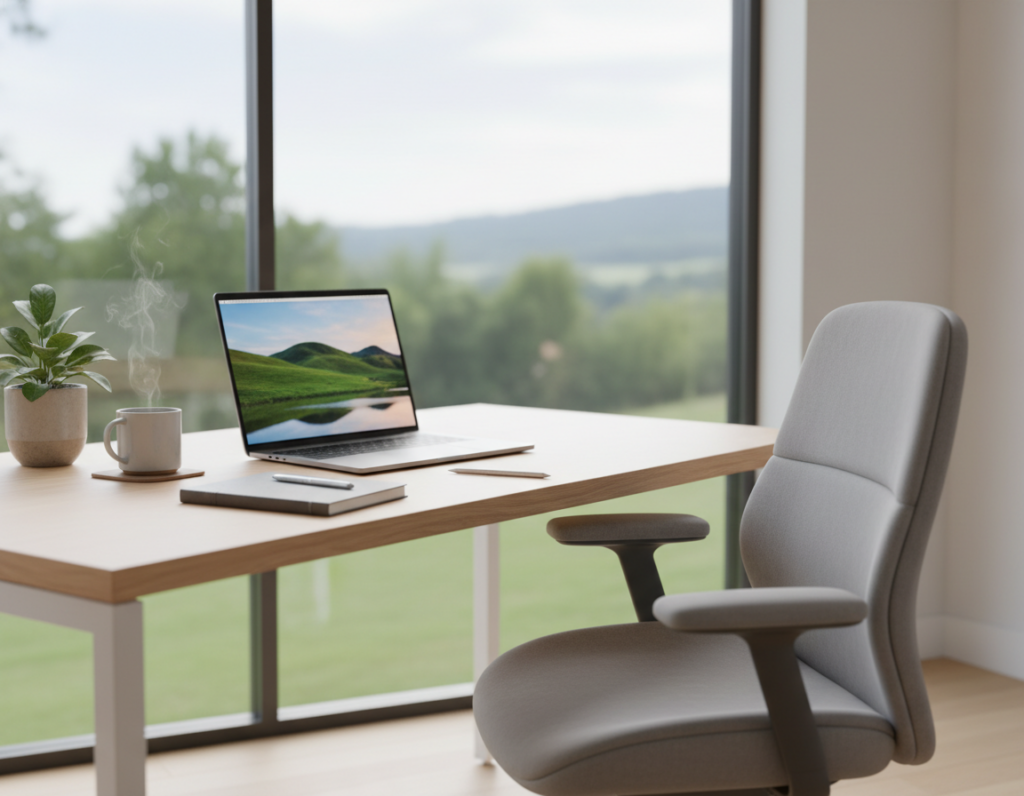
Comfort matters. A supportive chair that keeps the spine aligned reduces physical pain. When the body is comfortable, the mind can stay on task longer.
Adjustable desks or standing options let a person change posture across the day. These choices help the brain stay engaged and cut the urge to fidget. Keep frequently used items within easy reach to limit breaks that break focus.
Lighting Adjustments
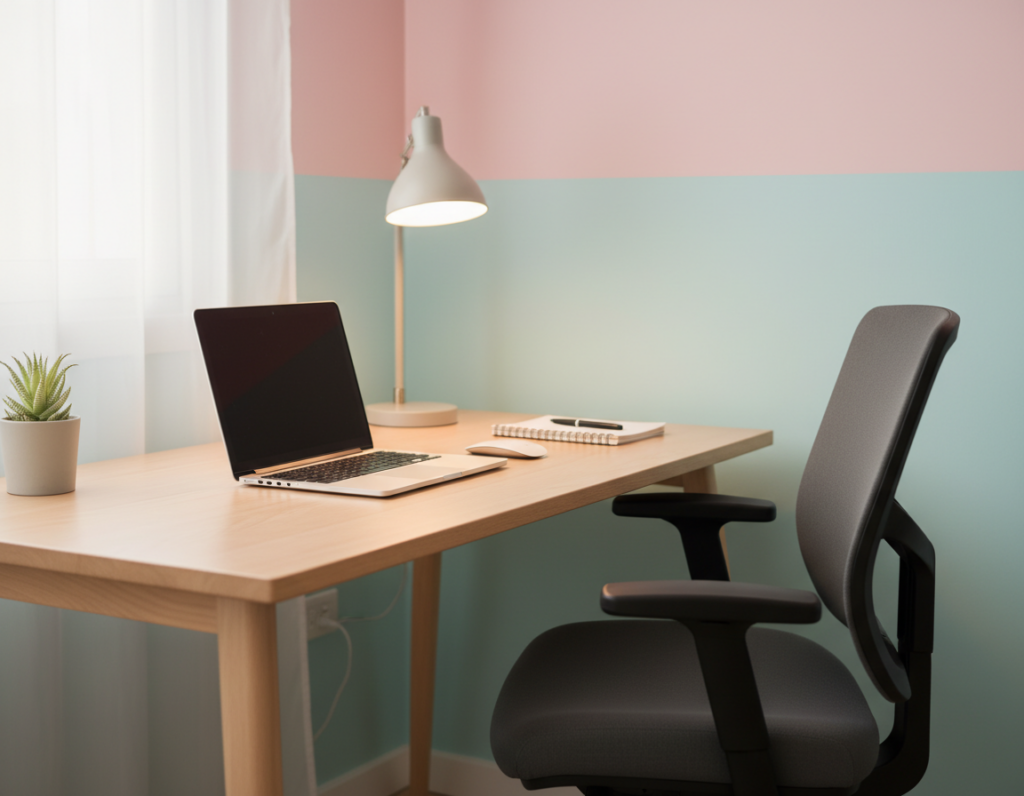
A warmer lamp at the desk can make evening work feel calmer. Soft, indirect light reduces glare and makes it easier to settle into focused time.
- Right chair: supports the back to prevent distraction from discomfort.
- Tools within reach: standing desks or reachable storage help switch tasks smoothly.
- Facing a wall: reduces visual noise so the mind can concentrate.
These setups are designed to save time and reduce distraction. They help people manage daily tasks and make the office a clearer, calmer space for work.
Incorporating Movement to Boost Cognitive Performance
Allowing the body to move during work hours supplies the brain with steady fuel for focus.
Movement is not a distraction; it is a tool. Adjustable standing desks and under-desk treadmills let people add motion without breaking task flow.
Short bouts of walking, gentle stretches, or standing shifts reduce the mental drag that builds after several hours at a desk.
“When work includes planned motion, many report clearer thinking and fewer afternoon slumps.”
- Boosts energy: Standing or pacing raises alertness and helps the brain stay engaged.
- Reduces fatigue: Movement breaks cut mental tiredness and support steady productivity across the day.
- Easy tools: A flexible chair, timed stretch breaks, or a low-speed treadmill fit into a typical schedule.
For many people adhd, brief motion helps complete tasks with less frustration. Planning simple, repeatable movement routines makes long work hours feel manageable and helps keep attention where it matters.
Managing Sensory Input and Environmental Distractions
When background sound shifts, the mind must reorient, costing minutes or even hours of productive time. Managing the environment reduces those interruptions and makes each work day more predictable.
Managing Background Noise
Noise-canceling headphones are essential when the world gets too loud. Keeping them within reach lets people create a quiet zone quickly in a busy office or home space.
The Anti-Planner is a practical tool for tackling tasks during high resistance or sensory overwhelm. It breaks big tasks into tiny, clear steps that lower the barrier to getting started.
- Too much sound can pull the mind in ten different directions during work hours.
- Background noise is often a major distraction for people adhd and can disrupt focus on a task.
- A comfortable chair and an orderly desk cut physical interruptions so energy goes to the work, not to fixing the space.
“Controlling sound in the environment can mean fewer surprises and steadier focus across long hours.”
Practical tip: place headphones, a short Anti-Planner sheet, and a water bottle within easy reach so sensory tools are always ready to use.
Utilizing Visual Cues and Clear Storage Solutions
Making items visible helps the mind find what it needs without interrupting a flow of work. Clear storage and deliberate wall cues turn a desk from a distraction into a tool.
The Power of Clear Containers
Clear containers let someone scan items at a glance. This reduces the time lost opening drawers and guessing what is inside.
When things are visible, the brain spends less effort on memory recall. That makes it easier to start and finish tasks.
Labeling Systems
Labels are a bonus. A short, consistent label method helps the future self locate items during moments of hyperfocus.
Use simple words and place labels where they can be read while seated. This small habit saves time and lowers frustration.
Wall Calendars and Visible Notes
A large wall calendar makes big-picture time visible. It keeps upcoming tasks and deadlines in plain sight.
- Clear containers reduce challenges with working memory and visual processing.
- Sticky notes on the wall hold quick reminders and fresh ideas.
- Visible items prevent the desk from becoming a graveyard for forgotten things.
Leveraging Technology as a Productivity Partner
When tools match the mind’s rhythms, digital systems reduce friction and save time.
The right apps can turn a home office into a calm, predictable place to work. A task manager like Notion helps people track tasks and enjoy the small win of checking things off.
Time-tracking is eye-opening. Using Clockify shows where time goes and highlights patterns that drain focus. That awareness supports better planning.
- Automated reminders: set alerts on the computer or wall calendar to nudge transitions without extra effort.
- Voice-to-text: capture ideas fast so typing doesn’t interrupt a thought or let distractions creep in.
- Simple dashboards: keep daily tasks visible to help the brain prioritize and finish work.
These digital setups are practical for people adhd in a home or office. For more advanced ideas and AI tools, see AI for focus.
Creating Dedicated Zones for Different Energy Levels
A few intentional stations around the room make transitions smoother and less draining.
Divide the area into clear zones so each part of the day matches current energy. For deep, demanding work, use a main desk with a supportive chair and minimal visual noise.
Reserve a quieter corner for low-energy tasks like email or planning. That change makes it easier to manage your time without forcing big mental shifts.
Small changes to the room or desk reduce the friction of switching tasks. Having dedicated stations means the person does not renegotiate how to work every time a new job appears.
- Designate one spot for focused work and another for routine tasks.
- Keep tools for each station within reach to cut transition time.
- Use simple visual cues to signal what belongs where.
A well-organized office space supports natural rhythms and preserves energy across the day. Zones let someone move between tasks without losing momentum or feeling overwhelmed.
Implementing Nutrition and Hydration Strategies
Simple nutrition habits can be the invisible support that keeps a person steady through a busy day. Small, reachable snacks and regular sips of water protect focus and mood.
A mini-fridge in the office is a practical bonus. It keeps protein shakes and fresh snacks cold so eating does not force a long break from work.
Adding a calendar event or alarm provides gentle reminders to eat and drink. A timed alert might mean the difference between staying focused and feeling hangry.
- Keeping easy-to-reach nutrition nearby ensures steady energy during the day.
- A mini-fridge makes healthy choices more convenient and reduces distraction.
- Calendar alarms and phone reminders help maintain regular meals and hydration.
- Consistent hydration and nutrition are essential for managing tasks and staying productive.
Practical tip: store portioned snacks and a labeled bottle of water where they are visible. These small steps serve as steady cues to care for the body and sustain performance.
Using Fidgets and Stimulatory Tools for Regulation
A few deliberate fidgets on the desk can change how the brain responds to low stimulation.
Fidget toys and stims are practical tools for grounding and soothing when someone feels underwhelmed. Keeping a small collection of different items within reach makes it easy to self-regulate without interrupting a workflow.
Stimming is a natural behavior for many brains. The right items help channel restless energy into a steady, calming motion that supports focus.
- Keep varied fidget items—textured rocks, squish toys, and simple hand tools—so you can test what feels best.
- Place these items where they are visible and easy to grab during work sessions.
- Consider professional support: the Alma directory lists over 20,000 providers who can help with emotional regulation strategies.
Remember: these stimulatory objects are not distractions. They are essential tools that help maintain calm and steady attention through the day.
Personalizing Your Space with Meaningful Decor
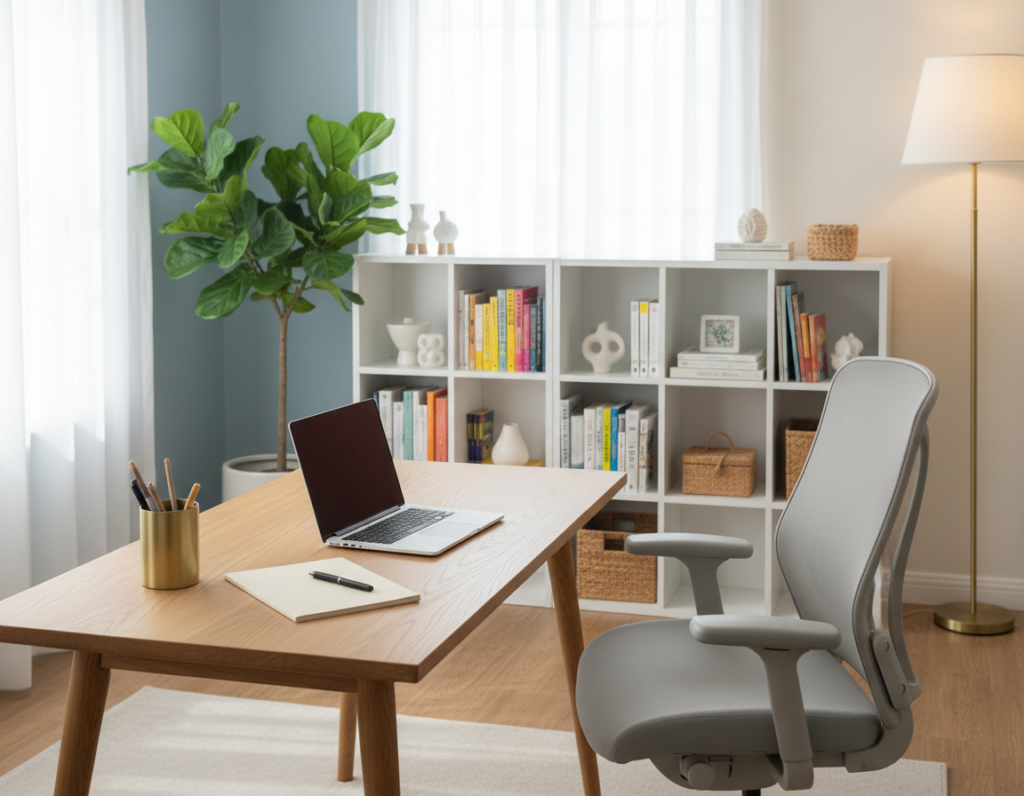
Meaningful decor gives the brain steady rewards that make tasks easier to start. Personalizing a home office with photos, artwork, or a small shelf of keepsakes supplies quick dopamine hits. These cues help a person return to work with less friction.
Adding plants to your workspace is a bonus. Plants improve air quality and add slow, living motion that calms attention.
Use color to organize. An accent wall or colored folders make categorizing work easier. They also make the space feel more inviting.
- Keep a few meaningful things on the desk as reminders of goals.
- Place sticky notes and clear notes where the eye naturally rests.
- Use an Amazon Dot for focus music, reminders, and a quick shopping list in the office.
Small choices matter. A special mug or a framed photo makes the room belong to the person using it. That sense of ownership supports steadier attention and better daily habits.
Conclusion
Design choices that respect how a person thinks make it easier to start, sustain, and finish tasks.
For many people with adhd, small changes to the workspace create bigger gains than dramatic overhauls. These simple shifts save time and cut the friction of switching between tasks.
Focus on what helps a person feel steady. Test one tool at a time and track how it affects daily work and overall productivity.
Keep these points in mind: there is no single best way. Gentle, repeatable changes that match personal rhythms pay off. Be flexible and kind as you refine your space and routine.