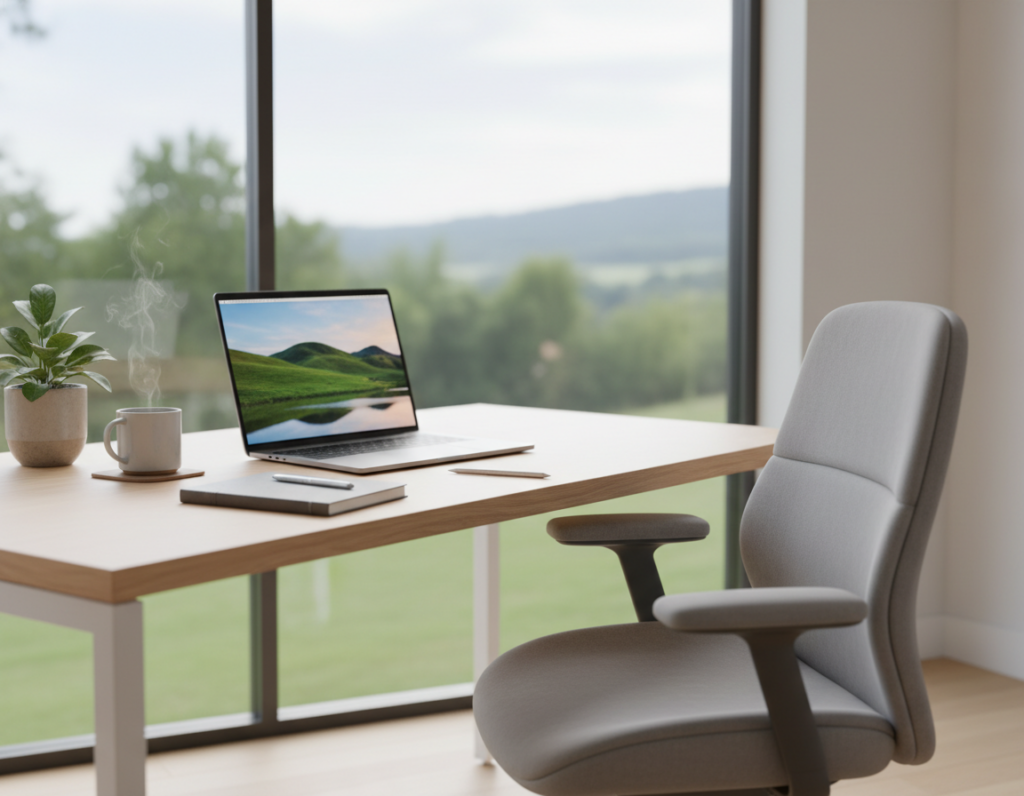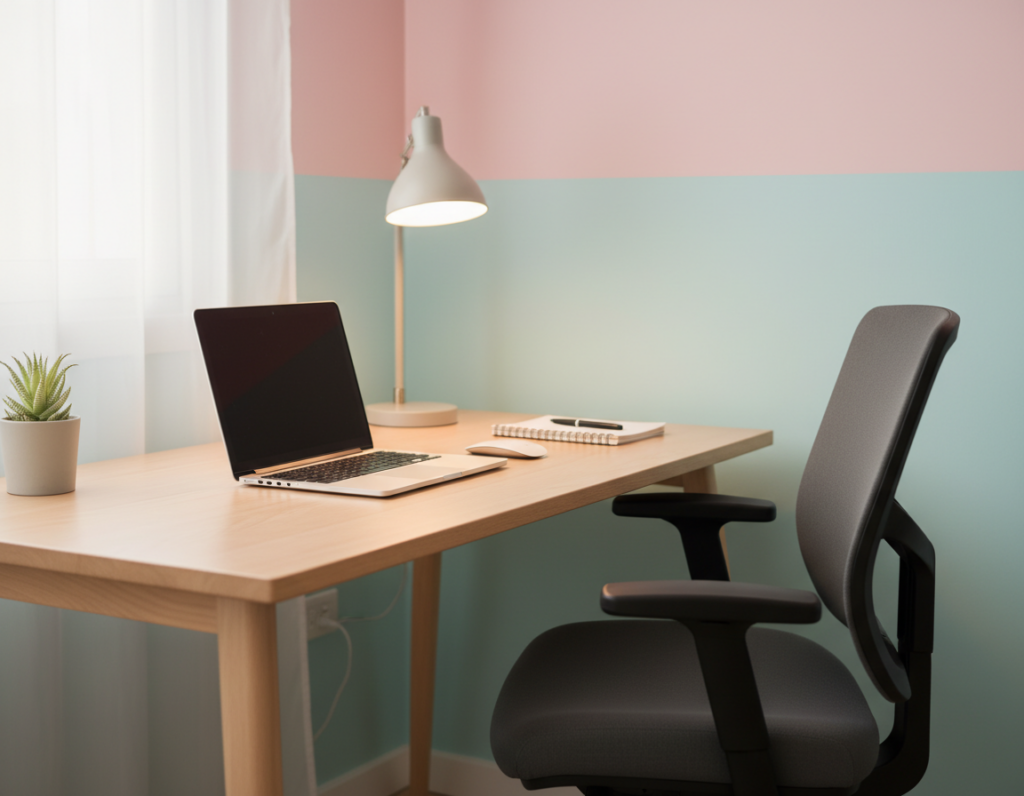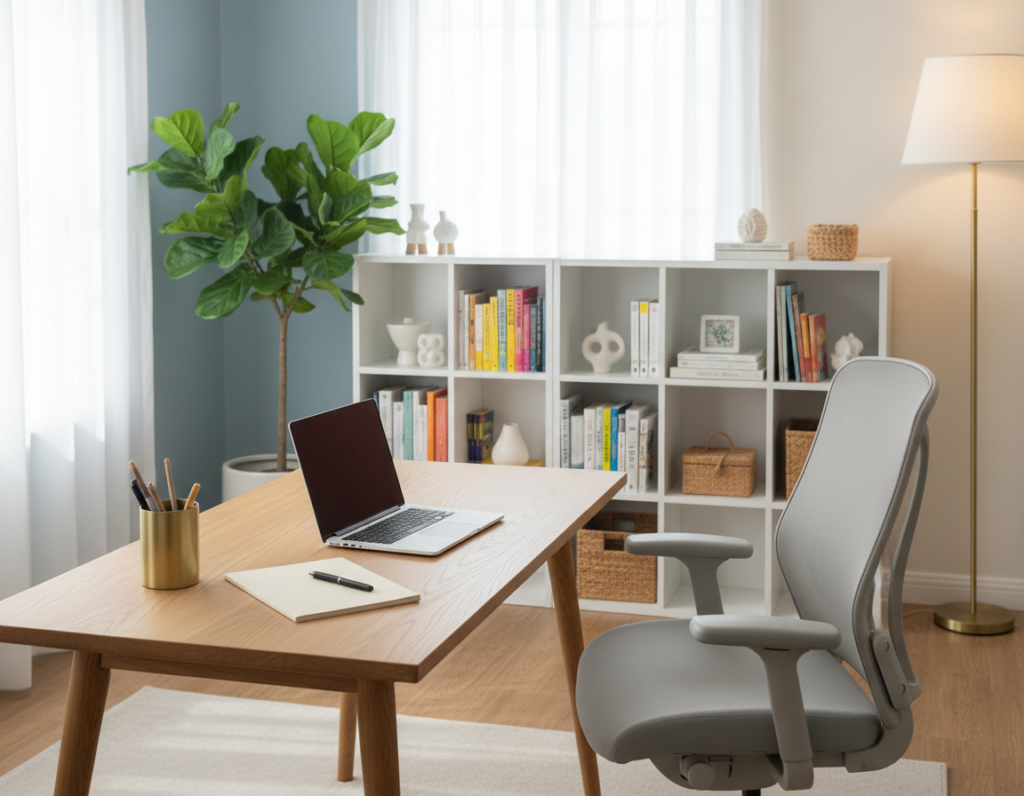
Adults with attention challenges often find that a cluttered environment drains mental energy. When the brain must sort many visual cues, the ability to plan and focus on work drops quickly.
Designing a clear desk and a calm space helps reduce that load. A well-chosen setup removes nonessential items and lowers the urge to multitask.
Research links reduced visual noise to improved task management and less mental fatigue. This change supports deeper concentration and steadier output during demanding tasks.
By curating a dedicated workspace with fewer distractions, professionals can protect attention and improve performance. Small, intentional adjustments make sustained focus more achievable in daily routines.
Understanding Your Ideal Work Environment
People with attention differences often perform best when their work area matches their sensory needs. Occupational therapists Krysta Longridge and Katie Eichar identify two main environments that help guide that choice.
Low Stimulation Environments
Low stimulation settings are quiet, neutral, and free of clutter. Such a space reduces visual and auditory distractions and can sharpen focus.
Professionals should make sure their home or office area limits external interruptions. A dedicated desk in a private room often supports steady productivity.
High Stimulation Environments
High stimulation environments may include ambient music, brighter colors, and options for movement. These settings help some people stay engaged by offering sensory variation.
When assessing ideal environments, people should consider access to varied seating and whether background music improves concentration over silence.
- Identify which way of working feels natural: quiet or lively.
- Evaluate if you need a dedicated area to reduce distractions and save time when starting tasks.
- Remember there are many ways to design spaces; traditional office models are not the only option.
Designing a Simple Workspace for ADHD
Start by choosing a desk that gives enough room for a computer and the few items needed each day. A larger surface prevents constant shuffling and helps people keep essential tools within reach.
Limit what remains in view. Too many things on a desk increase visual clutter and pull attention away from tasks. Keep only active projects and one or two tools visible.
Break the design into small steps. Tackle one shelf, one drawer, or one corner at a time. These steps make the project manageable and help maintain momentum.
- Pick a quiet room or area that supports focus and lets you control stimulation.
- Add storage to keep supplies out of sight but easy to reach.
- Set a daily ritual to clear the desk at the end of the day to reset attention.
Evaluate items regularly. Remove anything that does not aid work or tasks. Creating a dedicated place to work helps people switch into a productive mindset and saves time when they get started.
For practical tips on making an ADHD-friendly office, see ADHD-friendly workplace tips.
Essential Furniture for Physical Comfort
Comfortable furniture reduces physical strain and helps sustain attention during tasks. Choosing pieces that let a person move or adjust frequently can ease restlessness and lower stress.
Choosing the Right Desk
A convertible sit stand desk lets someone change posture through the day. This movement keeps energy steady and can improve productivity.
Place often-used items within reach so transitions between sitting and standing are smooth. A well-placed desk can transform a small space into a focused work environment.
Ergonomic Seating Options
Pick a chair with a five-point base, wheels, and adjustable armrests. These features allow safe movement and let the user get close to the desk when needed.
Good lumbar support lowers the physical stress of long hours and helps maintain better posture.
- Investing in a high-quality stand desk makes a clear difference in comfort and focus.
- An ergonomic chair supports the lower back and reduces stress during long work sessions.
- Organize desk items so essentials stay within reach to protect attention and speed task starts.
Tools to Manage Time and Focus
Small devices and clear visual cues help people track minutes and stay on task. These tools reduce start-up friction and make it easier to measure time spent on work.
Using Desktop Timers
Set timer intervals such as the Pomodoro method: 25 minutes of work, then 5 minutes of break. This structure fights time blindness and breaks large projects into exact minutes.
- Use a dedicated desktop timer instead of a phone to avoid notifications and scrolling.
- Label sessions by task to see how many minutes each task takes.
- Set timer sounds that are pleasant but noticeable.
Incorporating Visual Surfaces
Whiteboards and clear boards map tasks and cut paper clutter on the desk. Visual lists make priorities visible and reduce decision fatigue.
- Keep one board near the computer to track current items.
- Use storage boxes to hold reference papers and limit visual distractions.
- Update the board at the end of each timed session to reset focus.
Managing Audio Distractions
Many people with adhd find noise-canceling headphones and steady music help sustain attention. Music masks ambient sounds and supports longer focus blocks.
“Using a desktop timer with noise control tools gives structure and protects attention in a busy environment.”
Combine timers, visual surfaces, and controlled music to create reliable routines. This trio helps keep the desk clear, items organized, and tasks moving forward.
Strategies for Maintaining an Organized Office
A clear set of zones in a room makes it easier to find items and begin work quickly. Divide the room into areas such as a computer zone, a filing zone, and a supplies zone. This way, similar items stay together and starting a task becomes faster.
Daily small steps matter. Take time each day to clear the desk. A 15-minute timer each night to do a quick pickup saves much time the next morning.
- Use the Ticker system with 43 folders to sort papers by month and day so piles disappear.
- Limit phone access during work blocks to reduce distractions and protect focus.
- Choose clear storage boxes so items are visible and easy to access.
Manage incoming items at the source. Unsubscribe at Catalog Choice to cut paper entering the home. Subtract before you add: donate or discard old items before bringing new things into the office.
If staying organized proves difficult, seek support. Productivity specialists at Sorted Out can offer steps and coaching to help maintain routines and reduce stress.
Conclusion
Small, steady changes to a room often yield the biggest gains in daily focus and output.
Creating a simple workspace is an ongoing act of care. By checking items regularly and tuning the environment, a person protects time and eases the start of tasks each day.
Even modest shifts—one shelf, one habit—add up. Adjust furniture, lighting, or routines as needs change. This keeps the space aligned with how someone works and supports long-term productivity.
For practical, evidence-based setup ideas, see this guide to an ADHD home office setup. With the right strategies, people can manage their time and thrive each day.