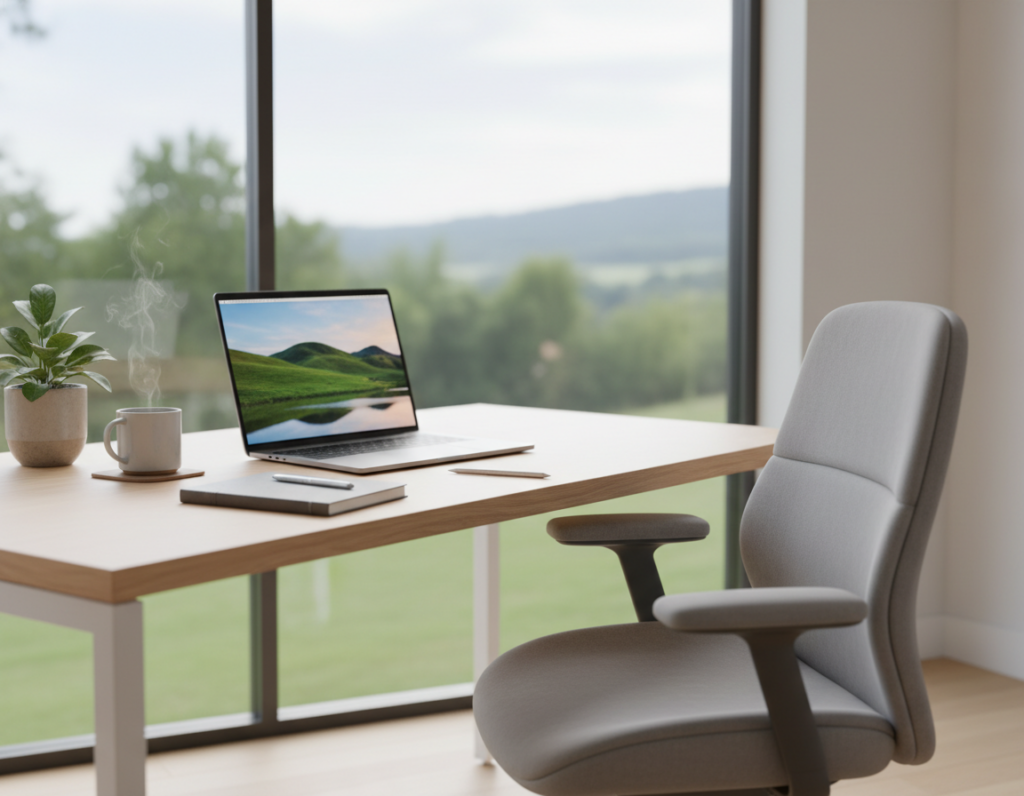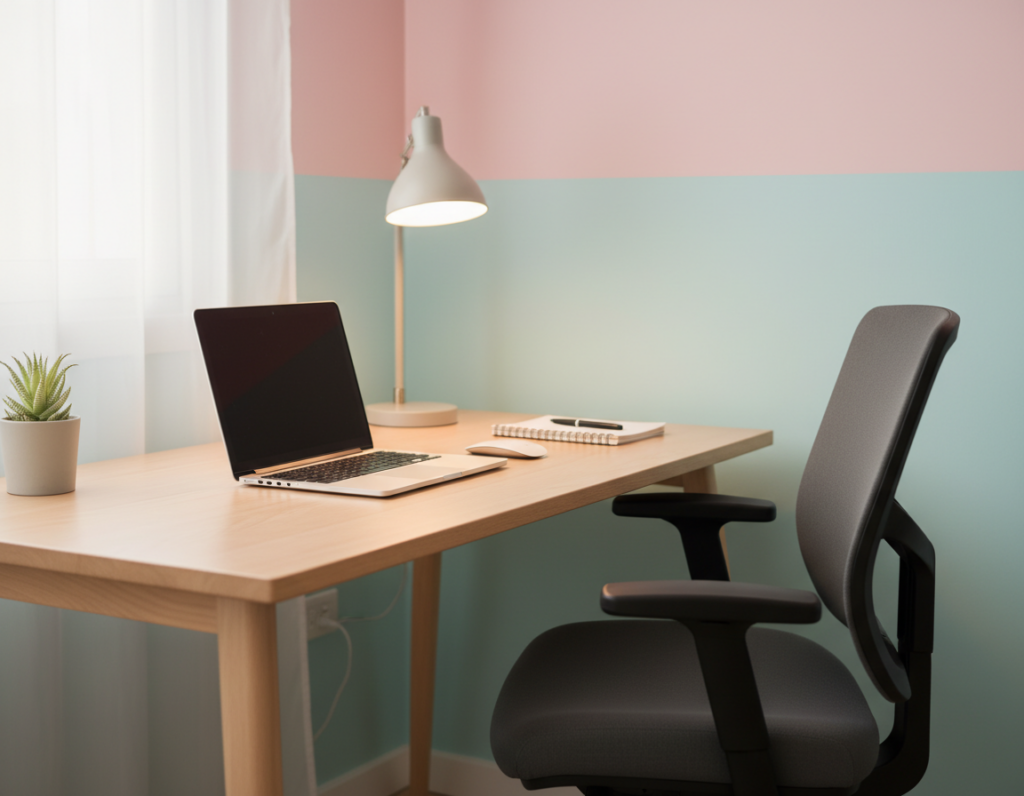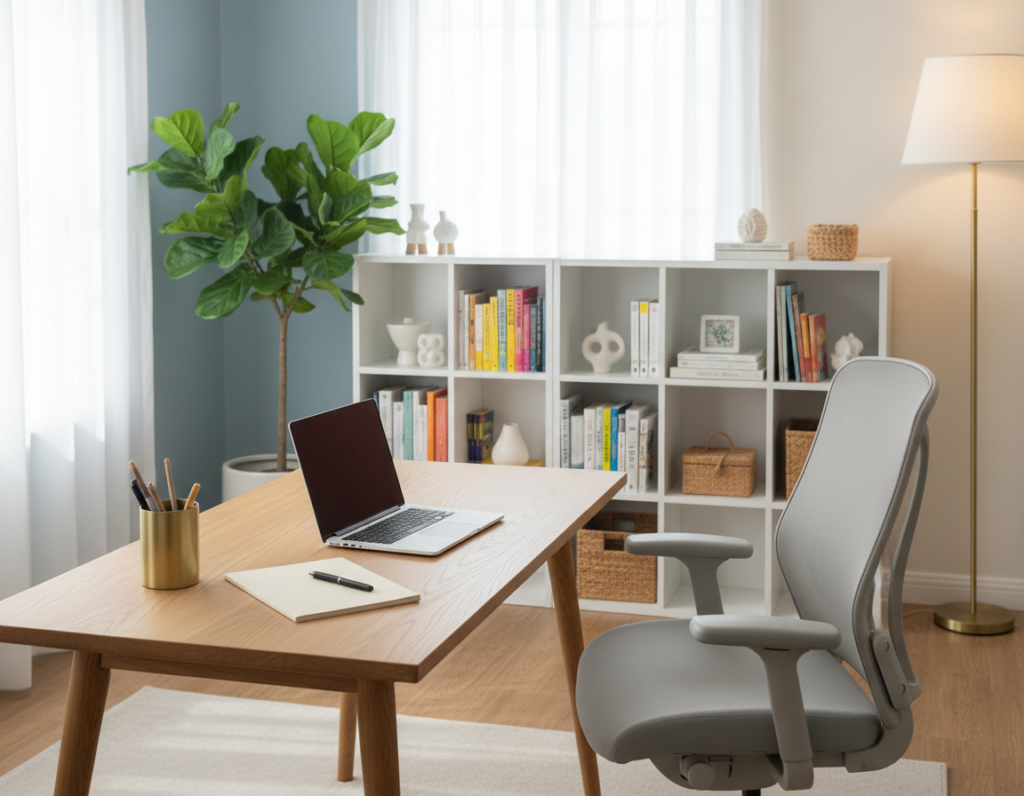
January 13 was National Clean Off Your Desk Day, a timely nudge to reassess one’s work surface. The day reminded people that a well-tended workspace can change how they approach tasks. Simple removals free mental room and help time feel more manageable.
Research shows that reducing clutter lowers stress and boosts life satisfaction at the workplace. When someone assigns specific areas for supplies and paper, their mind finds order faster. This leads to clearer focus on the most important things.
Taking a few minutes to sort items gives each object a purpose. By removing excess, a person reclaims space and gains the mental state needed for complex work. Removing unnecessary items is not just neatness; it is a practical step toward better focus and less stress.
The Impact of Clutter on Clean Desk Productivity
A jumbled surface can quietly erode focus and increase errors during a typical workday. A Princeton University study found that people in a cluttered environment made more mistakes and struggled to finish tasks.
Clutter creates constant distractions. It pulls the mind away from important tasks and reduces creativity. When items and paper pile up, people spend valuable time searching instead of doing meaningful work.
Maintaining order in a workspace helps the body and mental state. Fewer visual interruptions lower stress and improve overall health. The ability to process information improves when the immediate space is free of a mess.
Practical benefits are measurable: less time lost, fewer errors, and a calmer workplace culture. For those who want more guidance, this short piece on tidy desk benefits offers research-backed tips.
“Subjects working in a cluttered environment made more mistakes and struggled to complete tasks.”
- Less clutter means fewer interruptions and faster task completion.
- Orderly space supports better focus and higher creativity.
- Small changes yield measurable benefits for life at work and beyond.
Common Items to Remove for a Focused Workspace
Removing a few persistent items transforms how a person uses their workspace and saves time each day. The goal is to make the immediate area functional so the mind can focus on work and tasks without needless distractions.
Outdated Paperwork and Documents
Old paper piles take up precious space and slow a person down. According to Statista, global paper consumption is expected to reach 476 million tons by 2032, which underscores the need to digitize.
Tip: Scan receipts and reports using apps, then recycle or archive the originals. This clears room and reduces the mess of loose paper.
Broken or Unused Office Supplies
Dried-out pens, snapped clips, and unused items turn into clutter quickly. They drain time when someone searches for a working pen or tool.
They should be tossed or replaced with a small holder that keeps useful supplies visible and accessible. It is a simple way to keep order and support daily work.
Tangled Cables and Tech Accessories
Tangled cords create a visual mess that distracts the mind and interrupts workflow. Group charging cables, hide extras in a drawer, and label adapters so they are easy to find.
“Removing useless items helps people focus on daily tasks by preventing irrelevant materials from stealing attention.”
- Remove old paper and digitize important information.
- Discard broken pens and unused supplies to reduce clutter.
- Organize cables and store extra tech accessories out of sight.
For more solutions on handling common items, see items cluttering your desk.
Strategies for Maintaining an Organized Environment
Small, regular habits can stop clutter from creeping back into a workspace. These routines protect the environment and reduce the time spent managing items that do not belong to work.
Implementing Regular Maintenance Habits
Ryan Matt Reynolds, CEO and founder of Barbell Logic, advised that a reliable organizing system shields a workspace from noise and distractions. A dedicated physical space helps the mind settle, even without a private office door.
Try a 15-minute weekly sweep to sort supplies, archive loose information, and recycle unneeded paper. Use digital apps to track schedules and store files so items do not pile up on the surface.
“By consistently organizing supplies and clearing the area, you maintain a professional state that signals to your mind that it is time to work.”
- Set one area for work-only tasks to avoid eating or surfing during work time.
- Label storage zones for fast access to tools and reduce interruptions.
- Make maintenance predictable; small effort yields long-term benefits for health and life at the workplace.
Conclusion: Sustaining Your Productive Workspace
Maintaining a functional space preserves mental clarity and supports long-term goals. This approach helps a person shape an environment that suits daily work and future plans.
Keep only what matters, and remove the things that slow action. Regularly sort items, recycle loose paper, and limit what sits on the desk to essential tools.
Small, repeated habits protect the workspace and the workplace mindset. Over time, a clear space saves time, reduces clutter, and lets the mind hold focus for deeper tasks.
When a person audits what stays and what goes, life at work becomes steadier. Prioritize order so the desk supports a productive, balanced professional life.