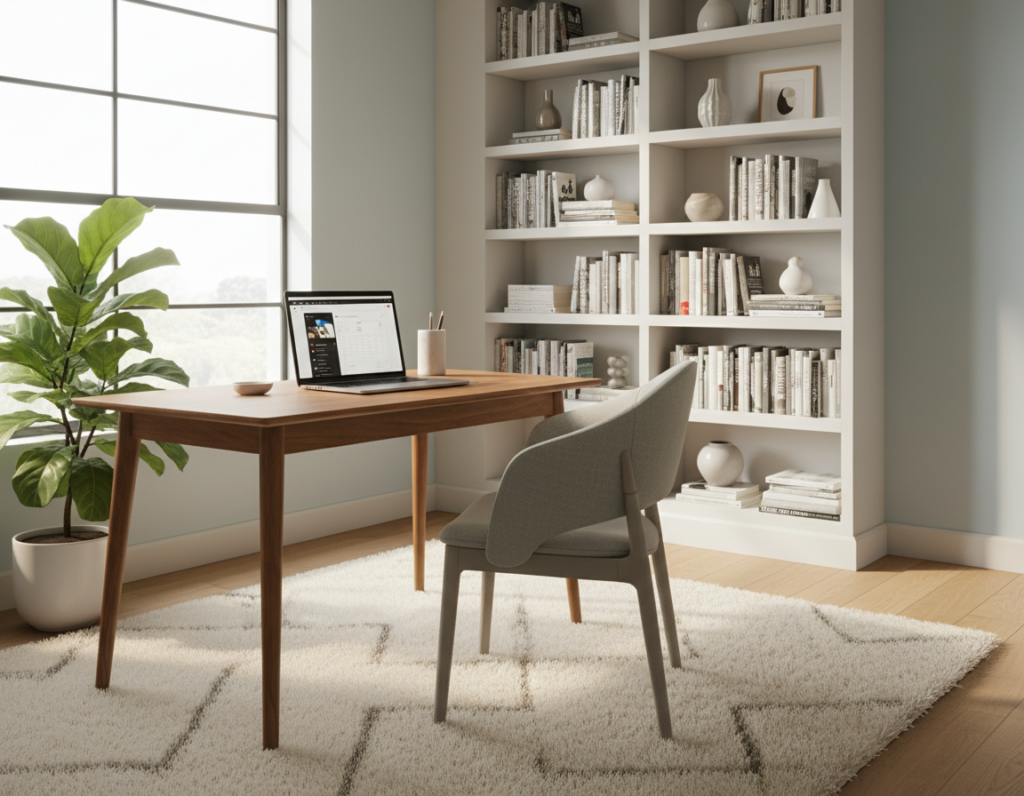
Focused seating choices helped ADHD remote workers stay productive during long work sessions. The right chair reduced distractions caused by discomfort and poor posture.
The Colamy Atlas had been a popular sub-$300 pick for those seeking affordable options that offered decent lumbar support and simple adjustment. Many users praised its mesh seat and practical tilt features.
Herman Miller provided a helpful online gallery with images and detailed videos for people who could not test a seat in person. Those assets made it easier to compare backrests, armrests, and height settings before a purchase.
Choosing a reliable office chair meant balancing price, fit, and long-term comfort. Professionals with decades of experience advised checking warranties and key features like foam density, weight capacity, and headrest options.
Understanding the Needs of ADHD Remote Workers
Finding a seat that balances motion and stability helps many ADHD remote workers stay focused through long hours.
Sensory processing varies widely. Some people need slight movement to keep attention. The Colamy Neza uses a wave spring system in the seat pad to give a gentle bounce. This permits micro-movements without feeling unstable.
Sensory Processing and Movement
Allow controlled motion. A good office chair with a responsive seat and tilt keeps fidgeting from becoming disruptive. Adjustable lumbar support and a stable backrest help maintain posture while permitting shifts.
Creating a Distraction-Free Zone
Start with a stable chair that reduces constant readjustment during work hours. Look for multiple adjustment points—height, depth, armrests, and tilt—that match the body. Durable materials like mesh or foam matter when balancing price and years of use.
- Micro-movement options aid concentration without sacrificing support.
- Adjustable lumbar support reduces back strain during long sitting sessions.
- Test several office chairs to find the right fit and adjustments.
For readers wanting broader context on creating focused workspaces, see this piece on building thriving communities which highlights design, experience, and durable options that apply to ergonomic office setups.
Why Ergonomics Matters for Focus and Productivity
Sustained focus often hinged on how well a seat supported the spine during long stretches of work.
The Steelcase Leap was engineered to keep the spine aligned at any angle, which helped reduce fatigue during long hours. That design feature made it easier to stay mentally present while sitting.
A properly adjusted office chair reduced the physical strain that led to mental drag. Small changes in height, tilt, and lumbar settings let users reset posture without leaving their desk.
Investing in reliable support acted like buying a protection system for the body. Even budget options with adjustable armrests and decent foam or mesh seats offered notable comfort and fewer interruptions.
“When the backrest and seat match the body’s needs, distractions from discomfort drop and productivity rises.”
- Adjustable tilt and tension let users stretch and return quickly.
- Consistent support limits standing up or constant readjustment.
- Good design balances fit, features, and price for years of use.
Finding the Best Ergonomic Chair for Home Office Setups
A carefully chosen workspace seat can change daily comfort and long-term posture.
The Branch Ergonomic Chair Pro stood out because it offered 14 points of adjustment. That many adjustments let a user dial in height, depth, tilt, lumbar and headrest settings for long hours of sitting.
When selecting an office chair, they should check materials and documentation. Breathable mesh paired with high-density foam delivers comfort in warm and cool months.
Durability matters. Good brands include clear assembly guides and maintenance notes. Reading a professional review helps reveal weight limits, long-term wear, and hidden trade-offs.
- Adjustability: wide height and depth range improves fit.
- Support: proper lumbar and backrest settings cut fatigue.
- Budget & price: compare options to match years of use.
Think of the purchase as a health investment. Choosing the right chair and learning its features leads to better posture, fewer breaks, and a more productive desk experience.
Evaluating Build Quality and Material Longevity
A solid frame and dense materials often reveal how long a seat will last under daily use.
The Colamy Hina demonstrated that choice well, using more aluminum than many chairs at its $224 price point. That metal skeleton gave a feeling of durability and less flex after long hours of sitting.
Aluminum Versus Plastic Construction
Plastic parts lower the price but can creak or crack over time. Aluminum frames resist wear and keep the backrest and armrests stable for years.
- Seat and backrest materials: high-quality mesh resists sagging; dense foam keeps its shape.
- Weight capacity: check limits to match the user’s body and avoid frame stress.
- Long-term value: stronger construction often saves money across years of use.
“Build quality predicts how many hours and years a piece of office furniture will serve reliably.”
The Importance of Adjustable Lumbar Support
Adjustable lower-back support changes how long someone can sit without pain. A good lumbar system keeps the spine’s natural curve and reduces strain during long hours of work.
The Steelcase Leap included a dial to make the lower back support firmer. That feature proved rare and effective for immediate pain relief.
When testing an office chair, users should check that the lumbar support moves up and down. The best office chairs press gently but firmly against the lower back as the user shifts in the seat.
- Spine alignment: proper lumbar support preserves the natural curve and cuts fatigue.
- Custom fit: height and depth adjustment let the support match each body.
- Durability: a robust support system keeps steady pressure during years of sitting.
“Fine-tuning lumbar support reduces strain and improves comfort during long sitting sessions.”
Choosing a chair with adjustable lumbar support is a simple, high-impact step. It improves posture, helps concentration, and often reduces the need for breaks or extra cushions.
Balancing Seat Depth and Height for Proper Posture
Correct seat depth and height shape posture more than most buyers realize. Achieving the right seat height and seat depth was fundamental to good posture, as the Hon Altern showed with its 3.5-inch seat pad and adjustable depth.
Your feet should rest flat on the floor and your knees should form a 90-degree angle when the seat height is right. This posture keeps circulation healthy and lowers fatigue during long hours of sitting.
Seat depth adjustment lets users sit back so the backrest supports the lumbar area while keeping a small gap behind the knees. That gap prevents pressure on the legs and the distraction of numbness.
- Check chair specifications — many office chairs cover a set height range tied to the user’s weight and build.
- If the seat is too tall, pressure behind the legs can cause discomfort and constant shifting.
- Choosing a chair with both seat height and depth adjustments gives the flexibility to fit different desks and bodies.
When seated, ensure the backrest supports the spine to avoid slouching. Balancing these two dimensions created a comfortable, productive setup that lasted years and reduced the need for extra cushions or fixes in reviews and daily use.
Premium Seating Options for Long Hours
When time in the seat stretches into full workdays, higher-grade models show their value in lasting comfort. Premium options deliver refined adjustments, durable materials, and warranties that protect an investment over years.
Herman Miller Aeron Features
Herman Miller built the Aeron around breathable mesh and multiple sizes to fit varied bodies. At $1,713 after a 25% discount, the Aeron targets users who want long-term comfort and proven design.
Steelcase Leap Performance
The Steelcase Leap is praised for its engineered backrest and lumbar support. Refurbished models often sit in the $500–$650 range and offer mechanically tuned tilt and height adjustments that reduce back strain.
The Embody Experience
Herman Miller’s Embody uses pixelated support to spread weight and reduce pressure points. That design encourages micro-movements and steady posture across long hours of sitting.
- Durability: premium chairs protect the body across years of use.
- Fit: multiple sizes and adjustable lumbar support improve comfort and seat depth.
- Value: refurbished premium models can match new performance at lower price points.
“Premium seating is an investment in sustained comfort, not a quick fix.”
Budget Friendly Picks for Home Offices
Many inexpensive models now pack features once reserved for higher-priced seats. The Holludle model at $149 proved that a low price tag could still offer oversized comfort and solid padding suitable for long hours of sitting.
The Colamy Atlas remained a reliable sub-$300 option over several years. It showed that budget choices can include adjustable lumbar and tilt features that support posture and reduce readjustment during the day.
Shopping tips: focus on build quality, seat materials like mesh or foam, and frame weight capacity. Check brand reputation and warranty to predict years of use.
- Many budget models now include armrests and basic lumbar support.
- Look for adjustable height and backrest tilt to improve fit and comfort.
- Watch for coupons and Amazon deals to lower the final price tag.
“Budget chairs can be a practical starting point when they balance fit, features, and durability.”
For a curated list of affordable options, see this roundup of budget office chairs.
Assessing Mesh Versus Foam Cushioning
How a seat breathes and contours to the body determines comfort during long hours at a desk.
Mesh uses open weaves that move air and cut heat buildup. The Herman Miller design with 8Z Pellicle mesh reduced pressure points and held posture without trapping warmth. That makes mesh a strong pick in warm rooms or for users who run hot.
Foam offers a plush surface and a firmer feel. Models like the Steelcase Series 2 use high-density foam that resists sagging over years. Foam can cushion the pelvis and lower back well, and many users found it better for sustained sitting when they preferred a softer contact.
- Mesh: superior airflow, minimal heat retention, firmer contour.
- Foam: plush support, holds shape, less noise and stretch.
- Testing tip: sit for 30–60 minutes to judge how the material affects pressure and posture.
“Choose based on climate, body weight, and how long they sit each day.”
Both materials suit quality office chair options. Pay attention to seat depth, lumbar support, and adjustment points when reading a review or testing a product. The right material should match the user’s body and the way they work to keep comfort and focus over time.
The Role of Armrest Adjustability in Daily Comfort
Properly positioned armrests make a big difference in posture and typing comfort across hours seated at a desk. They reduce strain on the neck and shoulders and help keep the back aligned while working.
The Branch Verve features height-adjustable armrests that match different desk heights and sitting styles. That simple adjustment helps a user maintain a neutral wrist angle while typing.
Many premium office chairs include 4D armrests that move in height, width, depth, and pivot. Those options let people play guitar, slide close to a desk, or pivot the pads out of the way when needed.
- Adjustable armrests cut shoulder fatigue and improve long-term comfort.
- Test whether armrests lock securely and feel stable under pressure.
- Budget chairs may have fixed pads—measure desk height before you buy.
“Small armrest moves can make long hours of sitting far more comfortable.”
Prioritizing armrest adjustability is a quick way to improve the fit and support of any chair. It extends comfort, lowers break frequency, and improves the overall sitting experience over years of use.
Navigating Assembly and Setup Challenges
Assembling a new seat can feel intimidating, but clear instructions and a few tricks make setup faster.
Start by laying out parts. Open the box on a firm surface and sort screws, wheels, and plates. Good labeling on parts speeds this step and cuts error time.
Follow the manual and watch the brand video if one exists. Some models arrive fully assembled, which removes that task entirely; the Herman Miller Aeron is an example that saves buyers time and hassle.
The Boulies EP200 commonly goes together in about 20 minutes. That model shows how thoughtful design and clear steps reduce the setup burden for a home office.
- Check whether two people are needed before you begin.
- Keep tools provided; you may need them later to tighten bolts after years of use.
- If a step is unclear, pause and find the matching part label before forcing a fit.
“Taking time during assembly ensures the seat, tilt, lumbar, armrests, and backrest are set up correctly for long hours of sitting.”
Comparing Refurbished Premium Chairs to New Models
For buyers balancing price and performance, refurbished premium seating often outperforms new, low-cost alternatives.
Refurbished Steelcase Leap and Amia units commonly trade in the $500–$650 range. They deliver the same multi-point adjustment, lumbar support, and durable frame as a new high-end product.
Buying a rebuilt Herman Miller Aeron can save significant money while preserving legendary mesh backrest design and long-term comfort. Many refurbished models include inspected gas lifts, renewed armrests, and a clear condition report.
- Value: lower price and proven design often beat new budget options.
- Risk: inspect the report and buy from a reputable dealer who cleans and tests every seat.
- Warranty trade-off: new models usually include full warranty; refurbished may have limited coverage.
Many professionals choose refurbished because the build quality and adjustments last through years of daily sitting. That makes it a practical path to high-end support without the full retail price.
“A well-refurbished premium model can match new performance while saving money and keeping proven design features.”
Identifying Red Flags in Cheap Office Furniture
Cheap seating often hides construction shortcuts that show up after only a few months of use. Buyers should watch for thin frames, light plastic parts, and unclear warranty terms.
Key warning signs:
- Very low price with many advertised features — likely poor build quality.
- Split backrest designs, such as the ZZH model, which may sacrifice consistent support.
- Low weight capacity — check specs like the Corsair TC100’s 264lbs rating.
- Excessive plastic and a flimsy feel when you push or twist the seat.
- No clear warranty or sparse customer review history after a few months of use.
When testing a new purchase, verify seat height, seat depth, armrests, and tilt work smoothly. A product that adjusts poorly will fail to deliver comfort during long hours of sitting.
“A low price tag can cost more in time and stress if the product fails after a few months.”
Being selective prevents wasted money and helps users find a durable option that truly supports the body and daily work needs.
How to Test Your Chair for ADHD Comfort
A. Testing a seat means more than sitting — it requires moving, adjusting, and noting how your body responds over time.
They should spend at least 30 minutes in a chair and mimic a real work session. That reveals whether the lumbar support and seat depth handle long hours and weight shifts.
Check that adjustment points feel intuitive. Easy controls for height, tilt, and a stable backrest let a user change position quickly without breaking focus.
- Micro-movement: see if the seat permits gentle motion that aids focus without feeling unstable.
- Mesh tension: when testing a Herman Miller Aeron, confirm the mesh is taut enough to support without roughness.
- Readjust signals: frequent shifting or fidgeting usually means the fit or lumbar support is wrong.
“A good office chair should feel like an extension of the body — supportive, adjustable, and unobtrusive.”
When a chair passes these checks, it is more likely to deliver years of comfort and better daily productivity.
Maintaining Your Office Furniture for Years of Use
A few minutes of care each month preserves comfort and keeps mechanical parts running smoothly. Regular maintenance helps the seat, backrest, and armrests stay stable over long periods of sitting.
Check fasteners and moving parts. Tighten bolts and screws to avoid wobble. Test the tilt and height adjustment so the mechanisms lock securely during use.
Keep materials clean. Vacuum mesh backrests and wipe leather or fabric seats with manufacturer-recommended cleaners. Cleaning removes dust that can shorten the life of padding and foam.
- Address mechanical issues early; a faulty tilt may be covered under warranty.
- Many premium brands, like Herman Miller, design parts for easy repair to extend years of use.
- Document simple checks—height, lumbar support, seat depth—to catch wear before it affects comfort.
“The Steelcase Series 2 includes a 12-year warranty, a sign of confidence in long-term durability.”
Proper care keeps office chairs working longer, preserves fit and support, and often saves money compared with replacing worn furniture.
Conclusion
Small adjustments in a seat’s setup can cut interruptions and preserve energy across full workdays. Readers were guided to prioritize adjustable lumbar and armrests, proper backrest fit, and a seat that matches height and depth needs.
Whether one picks a Herman Miller model or a budget alternative, the focus should be on reliable adjustment points and durable materials. A proper office chair reduces strain, limits readjustment, and supports longer, more focused sessions.
Invest in fit, not only features. The right choice will protect the back, improve posture, and pay off across years of sitting.