Many professionals feel wiped out by the end of the day. They struggle to finish tasks and wonder why motivation fades. Jenna Miller of Betterworks warns that energy vampires — people who sap enthusiasm — can make the workplace toxic.
What looks like normal job stress is often the result of hidden factors. Small interruptions, unclear roles, and draining interactions add up. Over time, focus slips and routines take longer.
This short guide shows how to spot the triggers that turn an office into a source of exhaustion. By reviewing daily habits and pinpointing what consumes time, people can regain focus and improve work output.
Understanding these dynamics is the first step. With clear observations and simple adjustments, professionals can build a more sustainable, productive career in today’s modern office.
Understanding the Hidden Causes of a Workspace Energy Drain
Hidden habits and subtle cues in an office can quietly reduce people’s focus and stamina. Small interruptions, tense interactions, and poor layout all add micro‑tasks that chip away at motivation and performance.
Behavior matters. Jenna Miller of Betterworks warns that energy vampires — colleagues who feed on drama and negativity — can harm company management and morale. That social strain raises stress and lowers productivity across teams.
Physical design also plays a role. A study in Applied Ergonomics found ergonomic fixes cut musculoskeletal pain and reduced fatigue. Environmental psychology shows space and lighting shape body responses and cognitive levels.
- Poor alignment of furniture and tools increases neck and back strain.
- Chronic stress can lead to burnout, now recognized by the World Health Organization.
- Disrupted sleep from workplace issues spills into home life and reduces long‑term balance.
Understanding these hidden causes helps people manage stress better and protect health, so they can restore sustainable work‑life balance and steady performance.
Conducting an Energy Audit to Identify Your Personal Triggers
A short audit can reveal which daily habits quietly sap focus and blunt productivity. The goal is simple: track routines for 3–5 days to spot patterns in attention and stamina. This method helps a person see when the work day feels good and when it feels like a slog.
Tracking Daily Activities
Have the person record tasks, conversations, and breaks in minutes. They should note how long each task takes and their attention levels before and after. Spending a few minutes each day on this log creates clear data.
Rating Energy Givers and Takers
After 3–5 days, rate items as givers or takers. This shows which conversations or desk habits lower focus and which tasks boost motivation.
- Track 3–5 days: see how productive hours and breaks fall across the week.
- Rate tasks: mark minutes spent and perceived levels of energy.
- Act right away: set boundaries where repetitive takers appear to prevent burnout.
The World Health Organization recognizes burnout as a condition that improves when draining situations are addressed. Managers can use audits to help people set boundaries and protect high-priority hours.
Optimizing Your Physical Environment for Better Focus
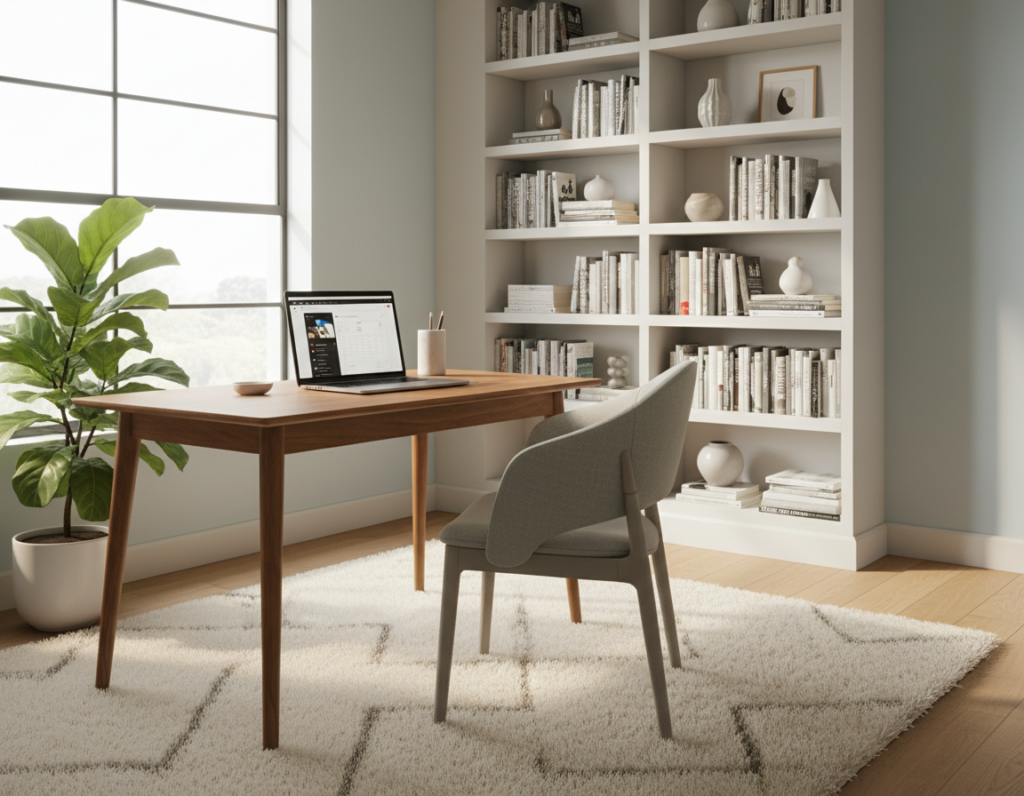
Natural daylight and thoughtful color choices shape alertness across the work day. Small changes to light, color, and monitor height can reduce fatigue and improve focus.
The Impact of Natural Light and Color
A landmark study found office workers with natural daylight slept an average of 46 minutes longer per night. This change in sleep can raise daytime productivity and lower stress.
Nearly 78% of employees say natural light improves well‑being, while 47% feel fatigued in environments without daylight. Cooler tones like blue and green also help reduce mental fatigue during long hours.
- Position monitors at eye level to cut neck strain and free cognitive energy for tasks.
- Use warm lighting late in the day to support sleep and avoid overstimulation.
- Declutter the desk to lower cortisol responses and improve performance.
Small adjustments to lighting and color create environments that match natural rhythms. These shifts save minutes each day and boost long‑term focus and performance.
Managing Interactions with Energy Vampires
A few recurring behaviors from co-workers can turn routine days into long, tiring stretches. Recognizing those patterns helps teams protect productivity and privacy.
Identifying Common Vampire Behaviors
Jenna Miller notes that energy vampires often complain constantly, dominate conversations, and resist change. Those behaviors raise stress levels and slow task completion.
Setting Professional Boundaries
To protect privacy and personal focus, people should set boundaries early. Simple limits on time and attention reduce the impact of draining conversations.
Communicating Assertively
Use clear, respectful phrases when redirecting discussions. For example:
- “I respect your opinion, but I disagree.”
- “I need to finish this task; can we discuss this at a later time?”
- “Let’s take this to email and schedule a short follow-up.”
Managers should run regular check-ins to identify problematic behavior right away. Active listening often reveals underlying issues, while firm boundaries protect the work environment and sustain productivity.
Eliminating Digital Distractions and Unproductive Meetings
Digital interruptions quietly steal minutes and make the day feel longer. A recent study found more than 75% of employees say notifications from workplace tools disrupt their focus.
To reclaim time, teams should adopt simple routines. Try email batching: check email at set times rather than constantly. That change helps reduce fatigue and protects deep work hours.
Unproductive meetings are another common problem. When information does not require discussion, use email or a short memo as a better way to share updates.
- Set ‘no‑meeting’ blocks each day to handle high‑value tasks at your desk.
- Silence phone and app alerts to change behavior and stop the urge to check every ping.
- Organize your schedule and physical space to remove low‑level clutter that keeps the brain on alert.
Protecting focus time supports better balance between work and sleep. Clear boundaries let people complete tasks in fewer hours and boost productivity over the long term.
Improving Ergonomics to Reduce Physical Strain
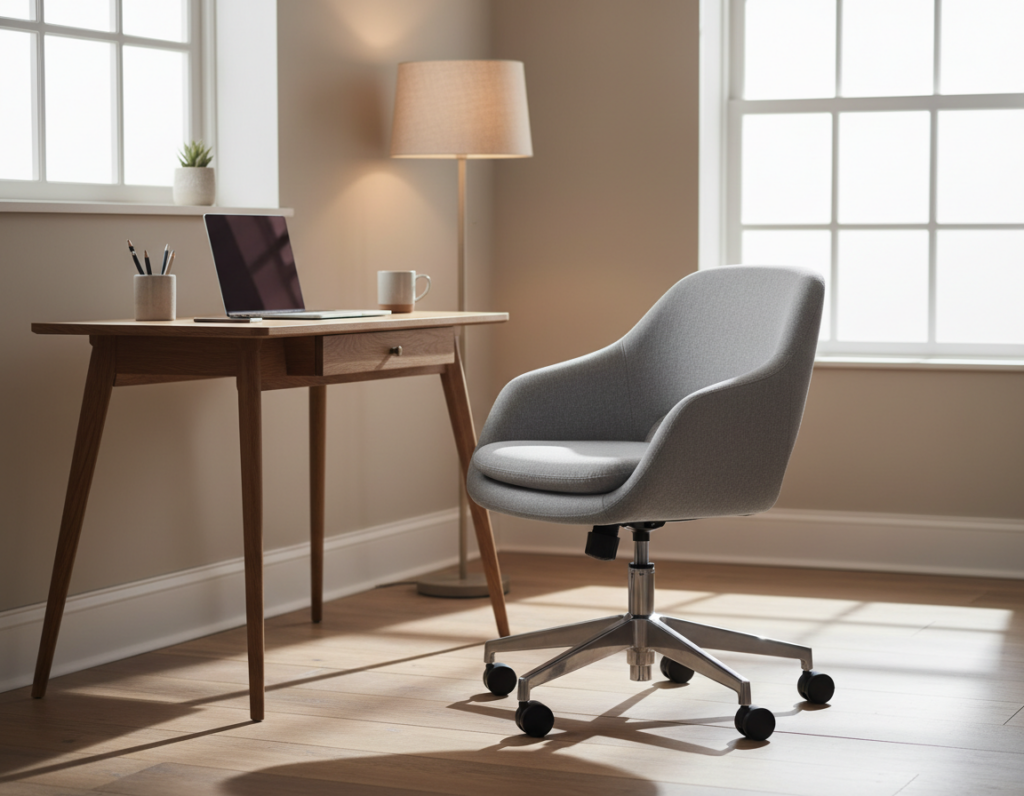
Simple adjustments to chair height, monitor angle, and keyboard placement can stop aches that build up by midafternoon.
A study published in Applied Ergonomics found that workstation changes and posture guidance led to marked drops in musculoskeletal discomfort. These fixes boost comfort and raise overall performance during the work day.
Small, consistent changes protect long‑term health and reduce fatigue that interferes with focus and tasks.
- Adjust chair and monitor so the eyes sit level with the top of the screen to lower neck and eye strain.
- Tidy the desk each Friday to start the week with clarity and fewer mental interruptions.
- Place desks away from high‑traffic aisles to improve privacy and reduce stress from constant interruptions.
- Consider a standing desk or supportive seating to cut physical strain and finish the week feeling less tired.
Regular ergonomic checks are more than comfort tweaks; they protect health and sustain productivity across the week. For tips on spotting subtle signs that your setup might be hurting focus, see your workspace could be secretly draining.
Building Sustainable Habits for Long-Term Vitality
Regular micro‑breaks and clear limits make a measurable difference in how people feel at 5 p.m. Small routines protect focus and help staff finish the day with less fatigue. These habits are practical and repeatable across the week.
Implementing Regular Breaks
The Pomodoro technique is a simple way to manage time and prevent burnout. Work for 25 minutes, then take a 5‑minute break. Repeat four times, then take a longer break.
Short pauses restore attention and cut cumulative strain. People who use timed breaks often report better sleep and steadier focus across the work day.
- Limit email checks to set times to protect deep work and reduce reactivity.
- Drink water and prioritize sleep to keep energy steady through long hours.
- Move briefly every hour—stretch or walk—to lower physical strain and lift mood.
- Managers should encourage open conversations and clear expectations to reduce drama at the desk.
Small, consistent changes to behavior and the desk environment add up. Over time, these habits build balance and protect health so people can handle tasks with less fatigue and more focus.
Conclusion
Simple changes deliver clear gains. Identifying hidden causes helps people reclaim focus and feel more capable at the end of the day.
By optimizing the physical area and setting firm boundaries, teams protect their energy and preserve time for deep work. Managing difficult interactions and cutting digital interruptions keeps daily routines positive and productive.
Small habits also support the body and mind. Short breaks, posture checks, and scheduled work blocks add up. Over weeks, these steps restore stamina and improve performance.
Take control of your systems, test one change at a time, and measure results. The result is more time for meaningful tasks and a healthier relationship with work.