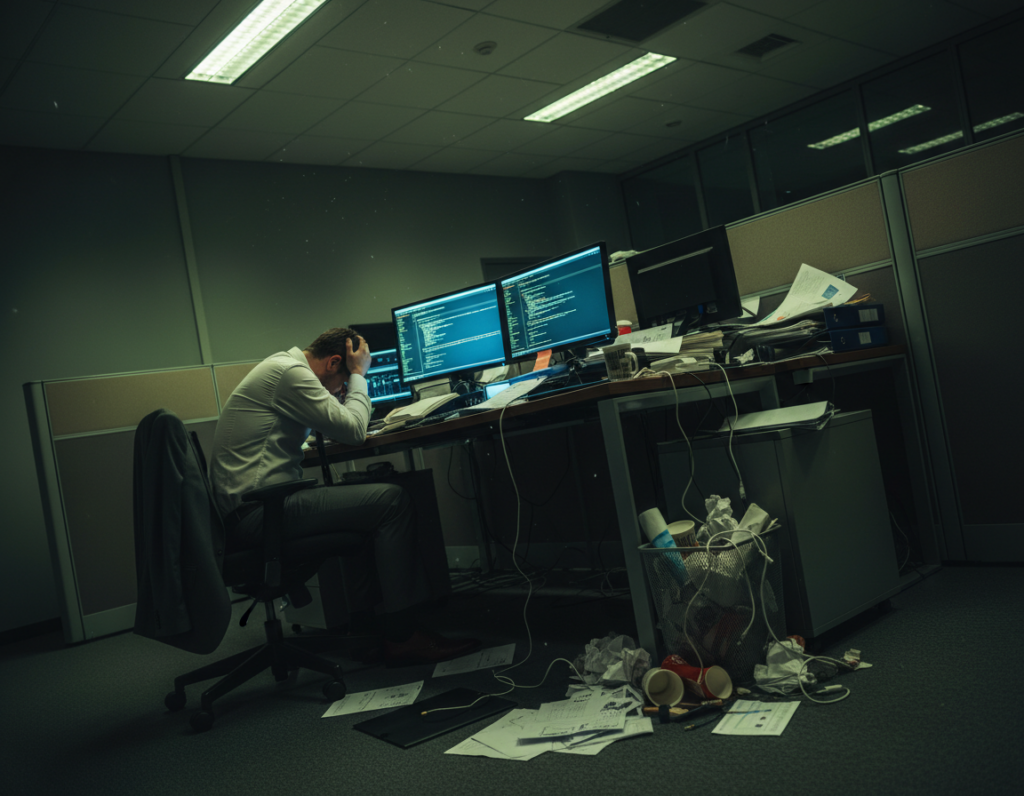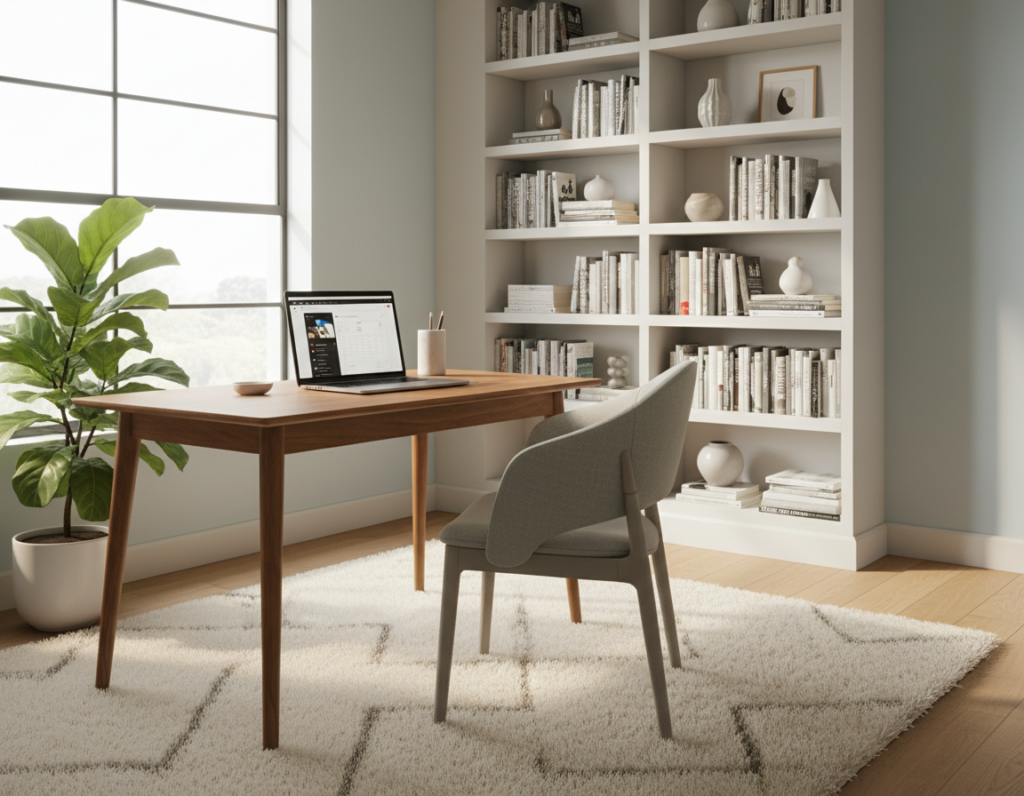
Many offices still lack clear access to daylight. A Future Workplace study found 47% of employees feel tired and 43% feel gloomy when windows are missing. This gap shows how crucial design is for a healthy work environment.
Sunlight and views of greenery offer an easy visual break from screens. Northwestern research links exposure to better mood and higher morale. Human Spaces reports a 15% rise in wellbeing and creativity near natural elements.
Beyond mental gains, the Carbon Trust notes up to 40% of a building’s electricity goes to lighting. Using daylight reduces costs while improving the daily experience for employees.
Prioritizing access to natural light in a workspace helps teams stay focused and feel better. Simple design choices—more windows, open layouts, and shared spaces—can lessen the strain of long time indoors and support long-term health.
The Biological Impact of Light on Human Performance
Daytime exposure has a direct, measurable effect on human biology and job performance. When workspaces supply clear cues about time of day, the body’s internal clock aligns with daily demands.
The Role of Circadian Rhythms
Circadian rhythms govern sleep, energy, and mood. Light exposure at the right time signals wakefulness and helps maintain steady energy levels across the day.
Research in Chronobiology International shows that bringing more natural lighting into offices improves mood, engagement, and alertness. Consistent cues prevent the disruption that artificial lighting at odd hours can cause.
Visual Health and Fatigue
Good lighting quality reduces strain and keeps workers alert. The Ergonomics International Journal reports that natural lighting cuts eye strain by 51%, headaches by 63%, and drowsiness by 56%.
Northwestern University research also found employees with window access slept an average of 46 minutes more each night, a clear benefit to sleep quality and long-term health.
- Healthy circadian rhythms boost daily performance and mood.
- High-quality exposure reduces fatigue and supports long-term well-being.
Why Natural Light Productivity Matters for Modern Teams
Well-designed windows and views change how teams perform at work each day.
Simple access to daylight helps reduce stress and improves focus. The Sacramento Municipal Utility District found that employees with a clear window view completed tasks faster than those in windowless rooms.
Human Spaces reports proximity to nature raised output by about 6%. That gain shows the measurable benefits of adding daylight and outdoor sightlines to an office.
Many staff still complain about poor lighting. An American Society of Interior Design study found 68% of employees cited problems with office illumination, highlighting a gap leaders can fix.
Forward-thinking leadership treats the management of light as a strategic lever. A well-lit workplace improves morale, supports health, and boosts team performance.
- Enhanced views and daylight make the work environment more engaging.
- Better office design supports employee wellbeing and long-term output.
- Prioritizing light helps leaders retain talent and lower stress across teams.
For practical steps and case studies on using daylight in offices, see using natural light to increase productivity.
Managing Circadian Rhythms Through Office Design
Office design can actively steer workers’ biological clocks by tuning indoor illumination across the day. Thoughtful systems combine daylighting with programmable fixtures to mimic the sun’s arc.
Implementing adjustable illumination systems lets facilities change intensity and color temperature from cool morning tones to warmer evening hues. This approach supports circadian rhythms and helps maintain steady energy levels and better sleep patterns.
Implementing Adjustable Illumination Systems
Adaptive lighting reduces reliance on constant artificial levels and can cut wasted energy. The Carbon Trust reports as much as 40% of a building’s electricity goes to lighting, so smarter systems save money while improving the environment.
- Systems that shift color temperature mimic daylight and reinforce daily rhythms.
- Integration with daylight controls avoids glare and excess heat near windows.
- Research from Northwestern University links consistent daylight exposure to improved sleep and higher daytime energy.
Practical steps include circadian-tuned fixtures, faux skylights for interior zones, and sensors that dim or warm lighting as the day progresses. Careful placement prevents screen glare and keeps the workspace comfortable for everyone.
Overcoming Common Challenges in Workspace Lighting
Balancing daylight and task-specific fixtures is the first step to fixing common office lighting complaints. Uncontrolled daylight can bring unwanted glare and heat, while dim rooms undermine mood and performance.
Designers should create distinct zones: bright workstations for focused tasks and softer areas for brainstorming. The Journal of Environmental Psychology found dimmer settings can boost creativity during group sessions.
The Leesman Index flags poor access to daylight as a major workplace failure. Companies should audit views and install adjustable shading and blinds to reduce screen glare and thermal gain.
Practical steps include task lighting, zoned controls, and educating employees about blue screens at night and using blue-blocking glasses. These moves preserve energy and support worker health.
- Create varied areas to match tasks across the day.
- Use shading and dimming to manage glare and heat.
- Train employees on how lighting affects mood and performance.
Strategic Steps to Audit Your Office Environment
Simple measurements can expose zones in the office that leave workers underlit and tired. A strategic audit helps leadership target fixes that improve employee experience, sleep quality, and team performance.
Identifying Poorly Lit Zones
Start with a walkthrough at several times across the day. Use a lux meter or an app to log readings at desks, meeting rooms, and corridors.
Cornell research shows that retrofitting darker areas can cut drowsiness by 56% and reduce headaches by 63%. Note hotspots of glare as well as dim pockets.
Assessing View Quality
Record which desks have windows and which face bland interiors. Proximity to windows and views of nature directly affect employee satisfaction and performance.
Leadership should map seating and consider moving shelving or desks to maximize access natural light. Miller’s retrofit services can simplify this process in tight floor plans.
Educating Employees on Light Hygiene
Train staff on simple habits: position screens to avoid glare, take brief outdoor breaks, and use blue-blocking glasses during late hours.
“A workplace lighting audit is the easiest first step for leadership to identify problems and make measurable improvements.”
Small changes—from layout tweaks to policy on screen use—help preserve energy and support workers’ health throughout the day.
- Conduct a complete lighting audit to find problem areas.
- Assess view quality and reconfigure space for better window access.
- Educate employees on light hygiene to protect sleep and daily energy.
Conclusion
Small, steady upgrades to workplace light compound into lasting gains for health and morale. A focused approach turns modest changes into measurable returns.
Start with an audit of the environment to find simple fixes. These low-cost moves unlock clear benefits for employees and the business.
When an office supports comfort and clarity, it becomes a stronger recruitment and retention tool. Leaders who act now set their company apart in a competitive market.
Prioritizing better illumination means creating a supportive place where every team can perform at their best each day.