Choosing the right quiet keyboard can transform a busy day into a focused session. Rebecca Isaacs, the consumer tech editor at Forbes Vetted, tested dozens of models and updated guidance in August 2025. Her work highlights how design and switches shape the typing experience.
The Logitech MX Keys S earns praise as the best quietest model overall due to its premium build and near-silent keystrokes. Value buyers often pick the Logitech K380, which can last up to 24 months on a single pair of AAA batteries.
Whether someone prefers a mechanical keyboard with dampened switches or a rubber dome option on a strict budget, choosing the right connection matters. A 2.4 GHz link or reliable wireless pairing keeps clutter low and boosts connectivity.
Explore more practical options and comparisons in the best quiet keyboards guide to match size, design, and budget needs.
Why Silence Matters for Remote Productivity
A calm typing experience reduces interruptions and helps remote teams stay productive. Small noises add up during a long day. Reducing audible clicks improves focus and makes collaboration easier.
Benefits of noise reduction
- Research from the Forbes Vetted team shows a quiet keyboard cuts distractions in shared spaces.
- Lower noise levels let users participate in virtual meetings without audible keystrokes disrupting the call.
- Modern designs add sound-dampening materials in the case and under the keys to mute impact.
When equipment stays unobtrusive, professional presence improves during video calls. Choosing the right size, connection and switches supports uninterrupted work.
Whether someone needs a compact option with wireless connectivity or a model with RGB and a volume knob for streaming and gaming, quiet performance should align with budget and workflow needs.
Understanding Switch Technology for a Silent Keyboard for Home Office
Switch choice largely determines sound, feel, and speed. Users should match switch type to work habits before picking a model. The right option balances noise control and tactile feedback.
Membrane vs Mechanical
Membrane designs use a rubber dome that compresses, which keeps noise low and costs down. This makes them a reliable budget option that suits long typing sessions.
Mechanical models deliver distinct feedback. Gunned-down options such as Cherry MX Silent, Gateron Silent, and Boba U4 cut impact noise while preserving feel.
Silent Linear and Tactile Options
Choose silent linear or tactile switches if a mechanical keyboard is preferred. These absorb the downstroke and reduce clack, especially when paired with good case and plate build.
- Cherry MX Silent Red gives a smooth, cushioned press.
- Keychron K3 offers low-profile, hot-swappable switches for customization.
- High-end gaming keyboard features like rapid trigger boost response but may increase noise.
When selecting wireless models, keep in mind that connection and overall build affect final sound and typing feel. They should test options by sound and feel to match workflow and size needs.
Evaluating Build Quality and Typing Feel
A keyboard’s case, frame and plate define how solid each keystroke feels and how much vibration reaches the desk. High-quality metal or dense plastic frames cut down rattle and deliver a steadier typing experience.
Shorter key travel often leads to quieter hits because keys register with less impact. This makes compact layouts and low-profile switches appealing to users who value a crisp, muted press.
When assessing a gaming keyboard, the rapid trigger and switch response affect comfort during long sessions. Designs with tight case tolerances and plate mounting help dampen the noise mechanical switches can make during quick typing bursts.
“The Logitech MX Keys S is praised for its stable key feel, which supports accuracy and reduces fatigue during long days.”
- Build quality dictates how much rattle or vibration occurs while typing.
- Metal frames usually give a more premium and stable feel than lighter plastics.
- Consistent typing feel lowers fatigue and supports long-term accuracy.
Consider connection, size and design as part of the overall build. A well-made case, solid plate and balanced keys make even budget options feel more refined and reliable.
Ergonomic Considerations for Long Workdays
Long workdays demand input tools that support posture and reduce strain while keeping typing efficient.
A solid build and thoughtful design help users avoid aches during extended sessions. The HP 960 Ergonomic Keyboard targets joint relief with adjustable angles that adapt to varied desk heights. The Microsoft Sculpt Ergonomic Keyboard uses a split layout to promote natural hand alignment.
Adjustable Angles and Split Designs
Adjustable angles let people set tilt to match wrist height. Split designs separate the keys so shoulders stay relaxed. These choices improve comfortable typing and reduce repetitive strain.
“Comfortable typing is achieved when the layout aligns with the natural resting position of arms and shoulders.”
- Ergonomic keyboards improve posture and cut wrist strain.
- Choosing a wireless option keeps the desk clutter-free and supports connectivity choices.
- A well-built case and balanced keys matter for long-term comfort and accuracy.
- Consider wrist rests, low-profile keys, and models like the Logitech MX Keys S as an ergonomic option when paired with a rest.
Comparing Wired and Wireless Connectivity Options
Connection choice affects latency, mobility, and desk clutter. Many models, such as the Logitech MX Keys S, offer both wired and wireless modes to balance stability and flexibility.
Wireless options typically use Bluetooth or a 2.4 GHz dongle. Bluetooth is ideal when moving between workstations. A 2.4 GHz wireless connection often gives lower latency, which helps gaming and fast typing bursts.
Multipoint pairing lets users switch among three devices with a keypress. The Apple Magic Keyboard is a common pick in the Apple ecosystem because it pairs smoothly with Macs and iPads.
- Choose wired when a permanent, low-latency connection matters.
- Pick wireless to cut cables and support travel or multiple machines.
- Consider build and battery life; many wireless keyboards now run for months on a single charge.
“A hybrid model that supports USB and Bluetooth gives the best of both worlds.”
Final decisions should match design needs, connectivity habits, and budget. Testing a model’s connection and keys in real use helps confirm it meets speed and reliability expectations.
The Role of Keyboard Size and Layout
Size and layout shape comfort and desk space. A full-size keyboard with a numeric keypad speeds number entry and suits professionals who handle spreadsheets daily. Smaller formats change reach to function keys and affect overall typing posture.
Tenkeyless (TKL) models remove the numeric pad to save room. They keep essential function keys while freeing space for a mouse or documents. If someone works from multiple locations, the compact build boosts portability.
Keep mind that ultra-compact designs like the Apple Magic Keyboard may lack dedicated media keys and a volume knob. Multipoint pairing that lets users switch among three devices can offset layout limits by improving connectivity and connection speed.
- Pick full-size if frequent numeric entry matters.
- Choose TKL to reclaim desk real estate without losing core keys.
- Consider wireless models and the build when balancing portability, rgb or gaming features, and long-term comfort.
“Layout should match tasks, not trends.”
Customization Tips to Reduce Typing Noise
Tuning a board’s internal build and desk surface helps cut reverberation and smooth the acoustic profile.
Using Case and Plate Foam
Adding case foam such as PE foam inside the chassis fills hollow spaces and stops internal echo. This mod is low-cost and often yields the biggest acoustic gain.
Layering thin foam between the plate and PCB also reduces vibration. Many enthusiasts report that combining case and plate foam improves tone without harming switches.
The Impact of Desk Mats
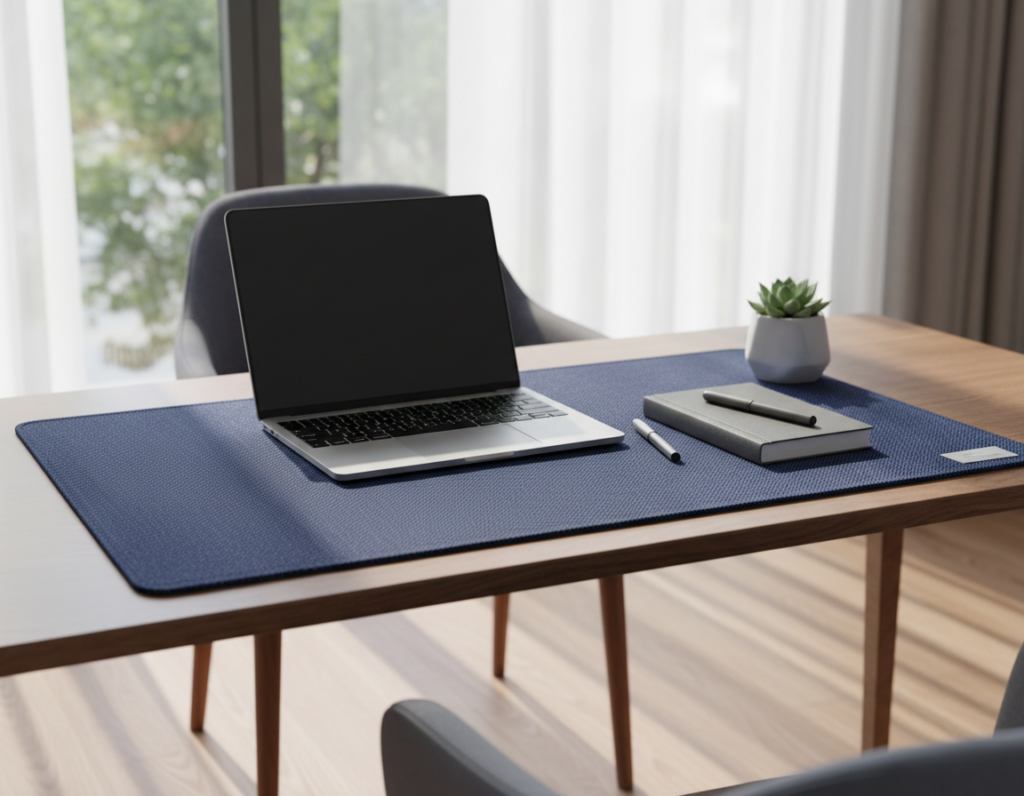
Placing a dense desk mat under the board absorbs impact noise and prevents hard-surface resonance. A quality mat makes each keystroke feel muted and steadier on the desk.
Installing O-rings
O-rings fit onto keycaps to soften the landing and cut down on sharp contact noise. They are simple to install and reversible, which makes them ideal for budget upgrades.
- Case foam reduces hollow sounds and improves the overall acoustic profile.
- Desk mats act as sound absorbers to lower keystroke noise and vibration.
- O-rings and switch films provide a softer landing and reduce housing rattle.
“Customizing these components can turn a mechanical model into a quiet, professional tool.”
Tip: models with a solid build and good connectivity, like Logitech Keys options, respond best to these mods and keep RGB or gaming features intact.
Top Rated Models for Your Workspace
This shortlist highlights reliable options that balance low noise, strong build, and flexible connectivity.
- Logitech MX Keys S — a top recommendation for comfortable type, solid case feel, and near-quiet performance with both Bluetooth and a 2.4 GHz wireless connection.
- Logitech K780 — a multi-device wireless model with a quiet membrane action that supports easy switching among three devices and long battery life.
- Apple Magic Keyboard — low-profile scissor switches deliver a stable, muted typing experience suited to shared workspaces and Apple setups.
- Keychron K3 — a slim mechanical keyboard option with hot-swappable switches that lets users choose tactile or linear mechanical switches while keeping noise low.
- SteelSeries Apex Pro TKL Gen 3 Wireless — a best gaming pick that shows a gaming keyboard can be whisper-quiet while offering RGB, macro knobs, and fast response.
Tip: match connectivity options, size, and long-term typing comfort to your workflow before buying. Consider numeric keypad needs, ergonomic keyboards if wrist strain is a concern, or a rubber dome model to stay on budget.
Conclusion
A well-chosen quiet keyboard helps users protect focus, boost productivity, and keep long stretches of typing calm and steady.
Choose by need: pick membrane or silent mechanical switches to match feel and comfort. Check build quality, connectivity, and ergonomic design to suit each workspace.
Small upgrades such as desk mats and O-rings refine tone and reduce impact. Explore proven options and reviews like the best keyboard guides when comparing models.
Investing in quality creates a more professional, distraction‑free environment and pays off in long-term comfort and consistent performance.