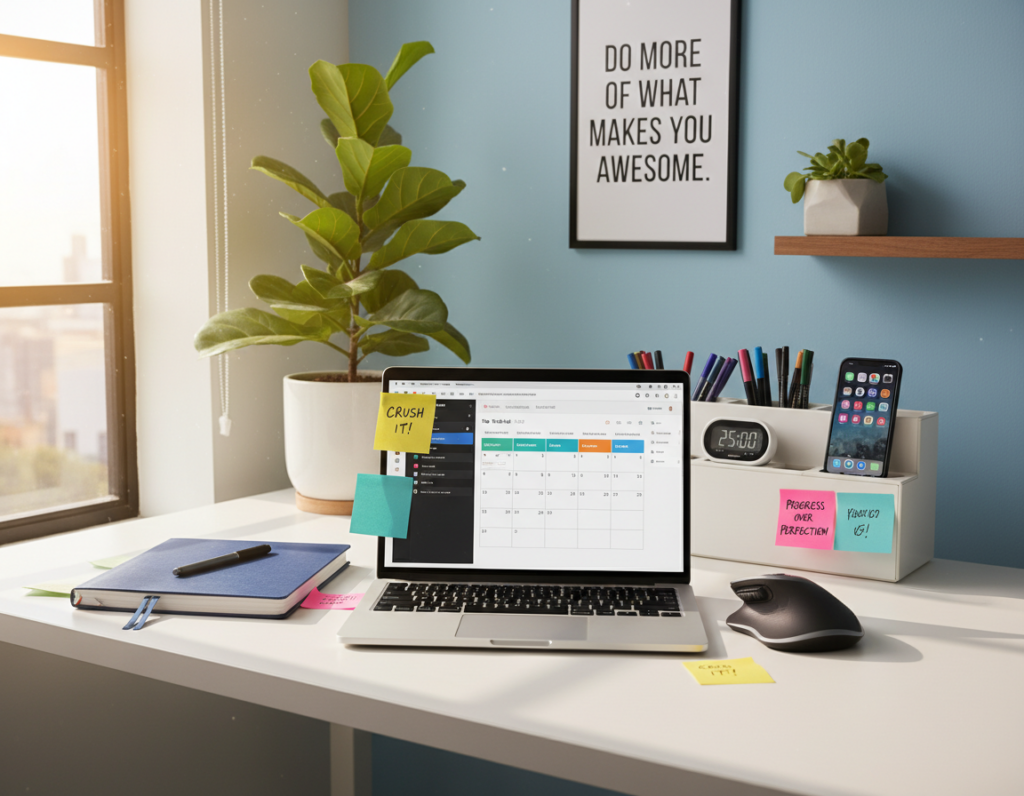
They tested items in a busy household to find what truly helps an ADHD brain stay on track.
An experienced coach led over two years of trials with three people living together. The goal was simple: pick tools that reduce noise and boost focus, not just shiny things that steal attention.
Selected products include reliable alarms and clocks that change morning routines, noise-cancelling headphones that cut distractions, and whiteboards that make tasks visible. Each pick supports time management and control at home, school, or work.
These items aim to help adults manage energy, handle day-to-day tasks, and lower mental load. The list reflects years of refinement and real-world use, so readers get practical tools that actually work.
Understanding the Need for ADHD-Friendly Tools
Many adults with ADHD need tools that match how their minds actually operate, not systems that expect them to think like someone else.
The author draws on 18 years as an ADHD coach and stresses that the best tools align with an individual’s brain. When tools fit the mind, tasks feel less painful and work flows more naturally.
Standard apps and common products often miss key reminders and cues. That gap makes people give up and feel stuck in a cycle of failure.
The goal is simple: reduce friction in daily life. Small changes—visual prompts, clearer alarms, and reliable reminders—make a big difference.
- Pick tools that match how someone handles time and tasks.
- Swap rigid systems for flexible supports that honor attention shifts.
- Use apps that prompt action, not just store plans.
Understanding your brain is the first step. With the right approach, adults can reclaim focus and make day-to-day things feel manageable.
Criteria for Selecting Productivity Gadgets for ADHD
Each candidate item had to prove usefulness over months of messy, real life. The selection prioritizes clear benefits, not bright features that distract. Reliability and sensory fit drive every recommendation.
Real-World Testing Standards
Six months of active use in an ADHD household is mandatory before an item is recommended to any person. Devices must remain durable and simple to use across daily routines.
- Test items must solve a real task and show consistent benefit.
- Reviewers track wear, battery life, and real daily interactions.
- Chosen products survive normal knocks, drops, and busy schedules.
Sensory-Conscious Design
The selection framework favors tools that limit overwhelming sounds and flashy light patterns. Sensory comfort is as important as feature lists.
- Look for options that save space and reduce clutter.
- Headphones and clocks are judged on noise control and gentle alerts.
- A balance of function and calm helps maintain focus without adding complexity.
“The best products solve a clear problem and fit into daily life without extra friction.”
Managing Sensory Overwhelm and Auditory Focus
A controlled audio environment can calm an overstimulated mind and make focused work possible. This section explains how targeted auditory tools reduce background distraction and protect mental energy.
Noise-Cancelling Technology
Sony Noise-Cancelling Headphones are a top pick for adults who need to manage background noise during the work day. They deliver a cloud-like feel and strong cancellation that blocks distracting sounds.
These headphones create a controlled auditory environment that helps the sensitive adhd brain keep attention steady. By reducing intrusive sounds, they free up energy and lower sensory anxiety.
- They help people maintain focus on tasks without the pull of nearby conversations.
- White noise or near-silence options work well when a steady background is needed.
- Comfortable fit supports long sessions so adults can stay in control across the day.
- These tools reduce overwhelm and make daily life feel more manageable.
“With the right auditory tools, one can create a space where the brain does its best work.”
Mastering Time Blindness and Daily Schedules
Concrete timers and dawn-simulating clocks give the brain the structure it often needs. These items make abstract minutes visible so people move between tasks with less friction.
Visual Timers
The Time Timer (roughly £15–30) helps visual learners see minutes pass. A clear red disk shrinks as time elapses, making start and end points obvious.
Use one at a desk, in the kitchen, or on a whiteboard to mark work blocks, breaks, or school study sessions. It reduces guessing so the day flows better.
Dawn and Dusk Alarm Clock
A dawn-and-dusk clock (about £30–80) uses gradual light to ease waking. Gentle light cues align the brain’s rhythm and lower morning stress at home.
Pair a light alarm with a simple clock and physical reminders to cut scramble and preserve energy for the day ahead.
Gamified Planning Tools
Game-like apps and paper planners turn small tasks into rewards. This framework makes routine things feel engaging instead of chores.
- Track tasks with points or simple streaks.
- Use notes, a whiteboard, or apps to keep key reminders visible.
- Combine a timer, alarm, and a planning tool to protect focus and schedule.
“Investing in a reliable clock or timer can be the first step toward mastering your schedule.”
Reliable Solutions for Medication Management
Medication tools remove doubt and make routines visible. The Weekly Vitamin Organiser (£8–15) is a low-cost option that reduces the anxiety of forgetting daily pills. It separates doses by day and offers a clear, repeatable ritual.
The TimerCap (£12–20) suits people who want a more data-driven cue. It records the last bottle opening so a simple glance prevents double-dosing and saves mental energy. This device is useful when time tracking matters.
- Weekly Vitamin Organiser: simple, tactile, dependable.
- TimerCap: visual history of bottle access to prevent errors.
- Use dedicated reminders or an alarm alongside these tools to strengthen habit.
These options are essential for adults who struggle with forgetfulness. When tools reduce medication-related stress, they protect attention and help maintain steady focus.
“A small, reliable system can remove daily medication anxiety and keep health plans on track.”
Visual Planning Systems for Task Clarity
Seeing tasks laid out at eye level helps people move through the day with less guesswork. A clear visual plan reduces the mental load and gives the brain a steady cue to act.
Magnetic Whiteboard Strategies
Magnetic whiteboards with moveable labels (typically £25–80) offer a tactile, flexible system. They let a person shift items as priorities change and keep key reminders in sight.
Use short columns for morning, day, and evening. Keep one row for high-priority tasks and another for routine items. This makes focus simpler and keeps the schedule honest.
- Moveable labels let users reorder tasks without rewriting notes.
- Writing things down on a board keeps them in the background of the room, not buried in apps or paper.
- The board adapts to school lists, work projects, and home errands.
Many people find that a visible layout saves energy and lowers anxiety about missed time or forgotten items. It is a practical, low-tech way to bring control into daily life.
“A physical space to map the day reduces noise and makes next steps obvious.”
Conclusion
Real-life trials across years showed which modest supports reduce daily strain and free mental energy. These results matter most to adults who want clearer routines and steadier days.
By choosing tools that match an individual’s brain, people can better manage time and complete key tasks. Work with a trusted coach to tailor choices to personal needs.
Start small: pick one or two items that address your biggest challenge. Treat tools as aids that support care, not replace professional advice.
Consistency builds momentum. With steady use, a simple system can cut stress and make each task easier to finish. This guide aims to help readers find the right path toward clearer focus and less daily chaos.