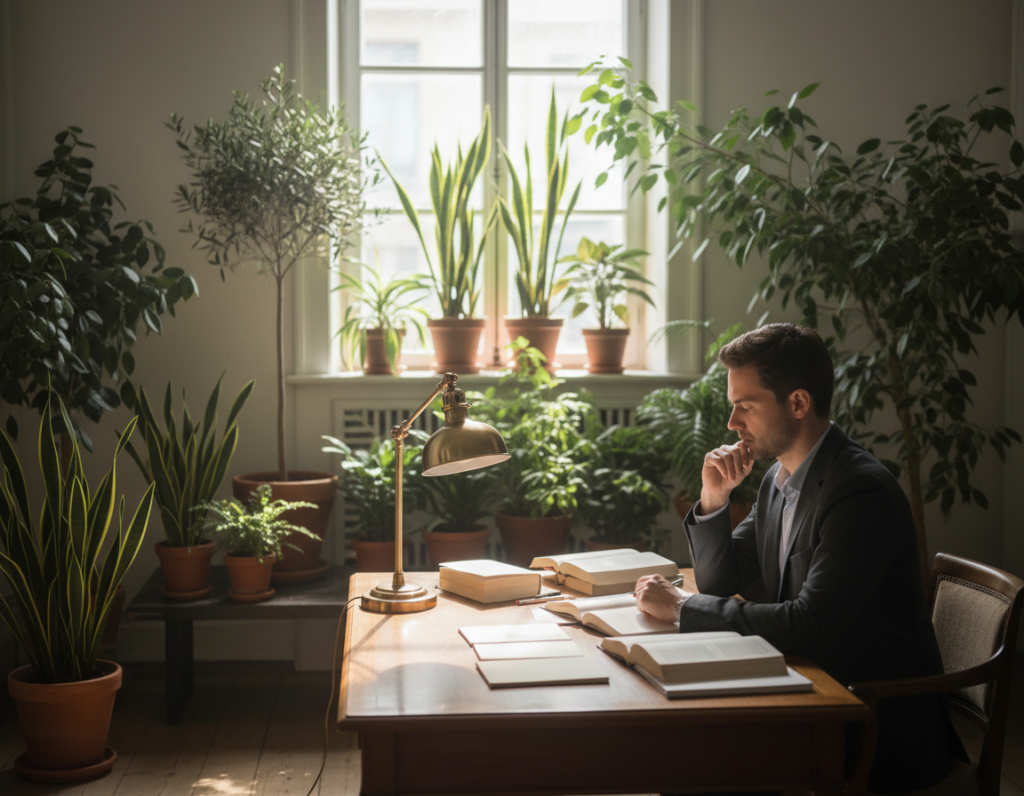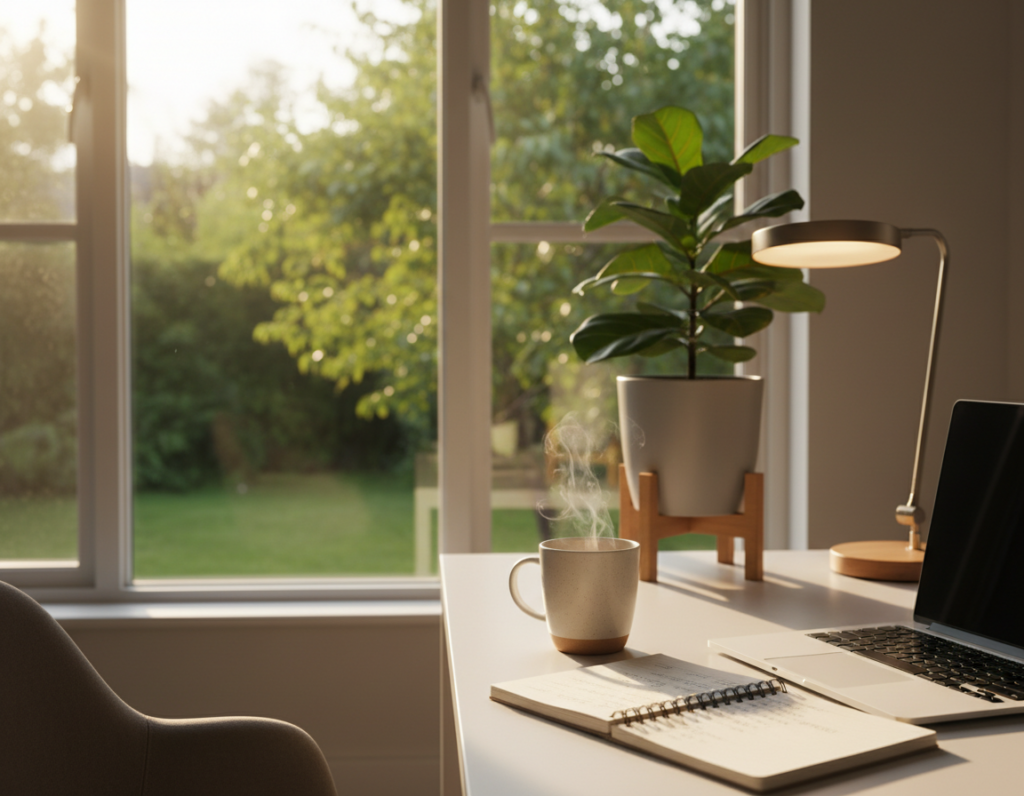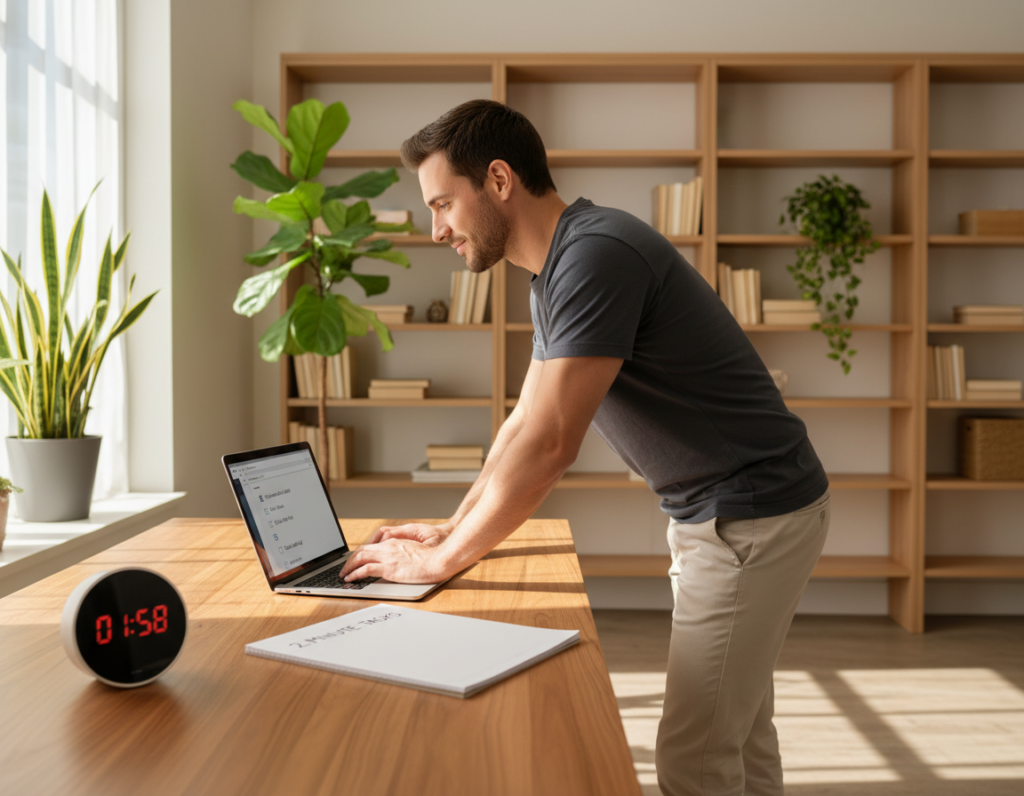
Proper light in a room can change how someone with ADHD works and feels. The right environment helps regulate the brain’s clock and boosts daily productivity. Small shifts in brightness and color often lead to clearer thinking and steadier attention.
At home, adjusting a workspace can make long study sessions less tiring. A steady, cool color tone during the day supports alertness. Changing settings by time of day also helps manage energy and limit distractions.
Comfortable reading spaces reduce eye strain and make it easier to stay on task. A well-set page and desk area supports concentration and protects vision during intense work. With simple tweaks, a person can create a dedicated space that promotes sustained attention and better use of time.
The Biological Impact of Light on Brain Function
Light hitting the retina triggers chemical shifts that shape alertness and attention almost instantly. The brain adjusts levels of melatonin and cortisol when daylight reaches the eyes, which helps people feel more awake in the morning and prepares the body for sleep as evening nears.
Bright natural light in the morning suppresses melatonin and raises cortisol, a pattern that supports daytime alertness. In a consistent home office environment, this response helps the body maintain regular sleep and wake cycles.
The Link Between Light and ADHD
People with ADHD often react strongly to changes in light. When a room has dim or harsh lights, the brain gets mixed signals and may increase fatigue. Proper light in the study area reduces eye strain and lowers mental fatigue, improving task persistence and reading endurance.
“Natural daylight helps regulate circadian rhythm and improves sleep,” — findings echoed in modern lighting research.
- The brain reacts to light quickly, shifting chemicals that affect alertness and energy in a home office.
- Poor room lighting can cause mixed signals, reduced cognitive performance, and added fatigue.
- Adjusting evening lights can prevent eye strain and support better sleep preparation.
Understanding Color Temperature and Brightness
Color temperature and brightness shape how the brain reads a page and manages energy. Simple shifts in hue or intensity change the body’s melatonin response and affect comfort during study sessions.
Warm white bulbs in the 2700K–3000K range reduce eye strain and support better sleep. Research from the Lighting Research Center found that participants who read under warm white LEDs scored about “5% higher” on comprehension tests.
Adjusting brightness is important, especially in the evening. Too bright can cause glare; too dim forces the eyes to work harder and increases strain.
“The color and intensity of lights send cues to the brain that influence alertness and rest.”
- Choose a color temperature that matches the task and time of day.
- Keep brightness balanced to protect the eyes during long reading sessions.
- Set a home setup that supports both productivity and sleep by managing color and light.
Finding the Best Lighting for Focus and Productivity
When a room uses daylight-like bulbs, the brain gets cues that help it stay alert during demanding tasks. This change in color and intensity can improve how someone works at their desk and reduces lapses in attention.
The Science of Cool White Light
Cool white bulbs in the 5000K–6500K range mimic natural daylight. Studies show that this color temperature boosts alertness and cognitive performance during the work day.
At a study desk, cool white light keeps the eye engaged and helps the brain process pages and tasks more efficiently. It also suppresses melatonin, which supports sustained alertness during peak hours.
- Use cool white between 5000K and 6500K to raise daytime performance.
- Control brightness to limit eye strain during long reading sessions.
- Match color temperature to the time of day to maintain steady productivity.
“Daylight-like color cues let the brain stay oriented to daytime tasks.”
The Role of Natural Daylight in Your Workspace
Letting daylight fill a home office helps align the body’s clock and boosts daily performance. A Cornell University study found that workers with access to natural daylight reported a 40 percent improvement in productivity. That result shows how powerful day exposure can be for work and mood.
Natural light helps regulate sleep hormones and lifts mood during the day. When someone studies or works in a room with consistent daylight, they often need fewer artificial lights that can cause eye strain.
Position the workspace to capture soft daytime light without glare on the page or screen. Proper placement reduces interruptions and supports steady attention across long tasks.
- Improved productivity: access to daylight correlates with measurable gains.
- Better sleep rhythm: daytime exposure supports the body’s internal clock.
- Less eye strain: quality natural light eases reading and reduces flicker from artificial lights.
“Using natural daylight creates an environment that supports your body’s rhythm and keeps attention sharp throughout the day.”
For practical tips on arranging windows and work surfaces, see using natural light to increase productivity. Small adjustments in the workspace deliver lasting benefits for work, reading, and long study sessions.
Implementing Effective Task Lighting Strategies
Small changes to where lights sit can cut shadows and keep the page clear when studying. Proper task lighting in a home office helps the eye track lines of text and reduces fatigue during long work sessions.
Place a desk lamp at about a 45-degree angle to the dominant hand. This simple way prevents the hand from casting a shadow on the desk while reading or writing.
Choosing adjustable desk lamps
Adjustable lamps let the user control brightness and color temperature. That flexibility creates a comfortable environment that matches day and evening tasks.
- Change brightness to match ambient levels and reduce eye strain.
- Shift color temperature to keep alert during the day and softer at night.
- Use a dimmable lamp to fine-tune the workspace setup.
Managing glare on screens
Glare increases eye strain and leads to fatigue during long study sessions. Position lights so they do not reflect on monitors or glossy pages.
Balance ambient lights with a focused task source to protect the eyes and keep attention on the page. Simple placement adjustments preserve comfort and boost productivity in the room.
“A focused task light paired with gentle ambient levels creates a workspace that supports sustained reading and work.”
Creating Ambient Layers for Visual Comfort
Layered ambient light softens contrasts across a room, so the eye moves more easily between page and screen.
Ambient lighting is the base of a productive study space. It gives a gentle glow that prevents the eye strain caused by sharp contrasts. This steady background light supports a calm environment throughout the day.
Combine ambient light with accent lighting and a focused task source. That layered setup reduces the need for the eye to adjust to wide brightness gaps. It also makes reading and screen work less tiring.
Balance matters: position multiple light sources so they work together, not compete. Keep walls and surfaces in neutral tones to help color and brightness stay even.
“A balanced light setup keeps the eyes steady and reduces visual fatigue.”
- Use ambient layers as the room foundation.
- Add accent lights to highlight work areas.
- Match brightness to the day cycle to protect the eye and sustain comfort.
Avoiding Common Lighting Mistakes That Kill Concentration
A single bright fixture in the center of a room can create contrast that tires the eye and lowers work output. Harsh overhead fixtures often make glare on screens and cast deep shadows on the page.
Why this matters: constant glare forces the brain to re-focus repeatedly. That increases eye strain and mental fatigue during study and work in a home office.
The Dangers of Harsh Overhead Fixtures
Overhead lights that are too bright or too cool in color temperature can confuse the body’s day–night signals. Using warm bulbs during daytime hours may lower productivity by sending mixed cues to the brain.
Working in dim rooms is also harmful. Low brightness makes the eye work harder and shortens sustained reading time.
- Fix glare: reposition ceiling fixtures or use diffusers to soften direct beams.
- Set task lighting: add an adjustable desk lamp to aim light where it is needed.
- Layer ambient lighting: combine gentle ambient light with targeted sources to reduce contrast and strain.
“Balanced lights and simple task placement reduce eye strain and keep performance steady.”
Selecting the Right Light Therapy Devices
Choosing a suitable light therapy device can help reset the body’s clock and lift alertness during study or work time. Small, portable options are useful when natural daylight is limited at home.
The Luminette 3 glasses weigh just 51g and emit blue‑enriched white light. They deliver cool white color directly to the eyes without cluttering the desk. This makes short sessions easy to fit into a busy routine.
The Drive 2‑in‑1 lamp is a stationary option that weighs 155g and offers blue light for steady use. It sits on a desk and gives reliable brightness levels during longer tasks and reading periods.
“Using dedicated devices can reduce eye strain and keep the brain engaged during extended study.”
- Portable or stationary: choose what fits daily habits.
- Adjustable settings: pick a device with brightness and temperature controls.
- Minimal glare: aim devices to support the page and screen without harsh reflections.
When matched to a schedule, these devices improve productivity and mood by aligning light cues with the body’s natural rhythms.
Optimizing Small Workspaces for Better Performance
A compact setup can amplify performance in small rooms by directing light where it matters most. In a tight home office, deliberate choices about sources and placement reduce glare and eye strain. That change helps reading and sustained work without altering the whole room.
Creative Lighting Ideas for Smaller Workspaces
Use a compact desk lamp as a primary task source. A small, adjustable lamp on the desk delivers direct light for reading and task work while keeping overall brightness balanced.
Apply accent lighting on walls to lift visual clarity. Wall sconces or LED strips add depth and make the room feel larger without harsh overhead beams.
- Balance brightness: match desk light with ambient levels to prevent stark contrasts.
- Mind color temperature: pick a neutral tone that supports daytime productivity and eases the eye at night.
- Bounce daylight: use mirrors or light surfaces to reflect natural daylight into darker corners.
- Arrange sources: position lights to cut glare on screens and avoid shadows on the page.
Even with limited square footage, the right mix of task, accent lighting, and reflective surfaces transforms a small workspace. That simple strategy boosts performance and makes long study or work sessions less draining.
“Thoughtful placement and balanced lights make compact rooms feel open and support sustained productivity.”
For practical setup tips from workspace experts, see Huberman Lab workspace notes.
Conclusion
Small, deliberate changes at the desk will pay off in steadier attention and less mental fatigue. Adjusting a single lamp or removing a glare source can cut eye strain and reduce fatigue during long study sessions.
Use cool white during daytime tasks and switch to warm white tones in the evening to protect sleep cues. Tuning brightness and color at the desk improves reading comfort, limits glare on the page, and supports steady study time.
Simple routines shape the brain’s alertness and make it easier to keep focus when it matters. With consistent choices about light and placement, the workspace becomes a reliable way to boost performance, reduce strain, and preserve long‑term comfort.