Des Sinkevich published a practical guide on April 28, 2020, via Penn Foster about keeping concentration when working home. The piece notes that common distractions demand small, intentional habits.
Establishing clear boundaries between personal life and professional duties is the first step. A consistent way to manage schedule and time each day is one of the most effective tips help stay productive.
Many professionals find that a dedicated workspace and routine create sustainable ways of managing energy. Describes emphasize that staying focused is not perfection, but steady, realistic methods that improve work output.
Simple changes — brief work blocks, short breaks, and a defined end to the day — can make the work home experience more positive. These practical ways aim to help stay efficient while preserving balance.
Establishing a Dedicated Workspace
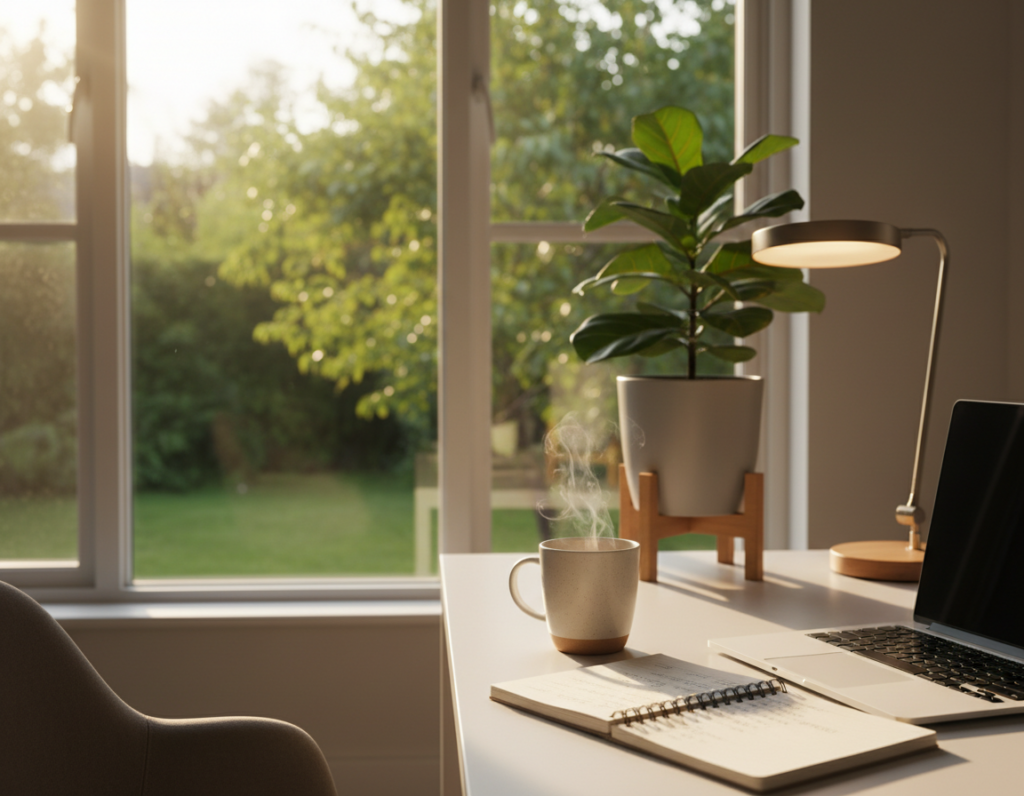
A well-defined workspace signals the brain that professional hours have begun. Creating a dedicated office space in the house helps separate leisure from duty and reduces mental friction. Small, consistent cues make it easier for anyone to enter work mode and protect energy for priority tasks.
Creating a Quiet Office Zone
Pick a spot that minimizes background noise and interruptions. Even a corner of a room can function as a quiet office zone if it is used consistently each day.
Benefits: quieter video calls, clearer thinking, and a stronger boundary between life and labor. When that zone is ready, transitions into productive mode become automatic.
Minimizing Household Clutter
Clutter breeds distractions and saps concentration. Keep the desk tidy and limit nonessential items in the workspace.
Simple steps like a small storage box, cable management, and a quick end-of-day tidy can sustain a clearer mind. Research shows a specific room or area for work activities improves separation of tasks and rest.
- Use the same workspace daily to build habit and reduce distractions.
- Invest in ergonomic tools to create a lasting physical boundary from the rest of the house.
- Consult a practical guide for setting a dedicated workspace for layout ideas and tips.
How to Stay Focused Working From Home
Keeping attention on tasks during a full day at home often means redesigning routines. Learning how to stay focused working from home starts with small, repeatable signals that mark work time.
They should set clear limits for interruptions and identify the biggest distractions. A compact workspace that supports posture and gear helps the mind treat work as official time. That change improves the ability to get work done.
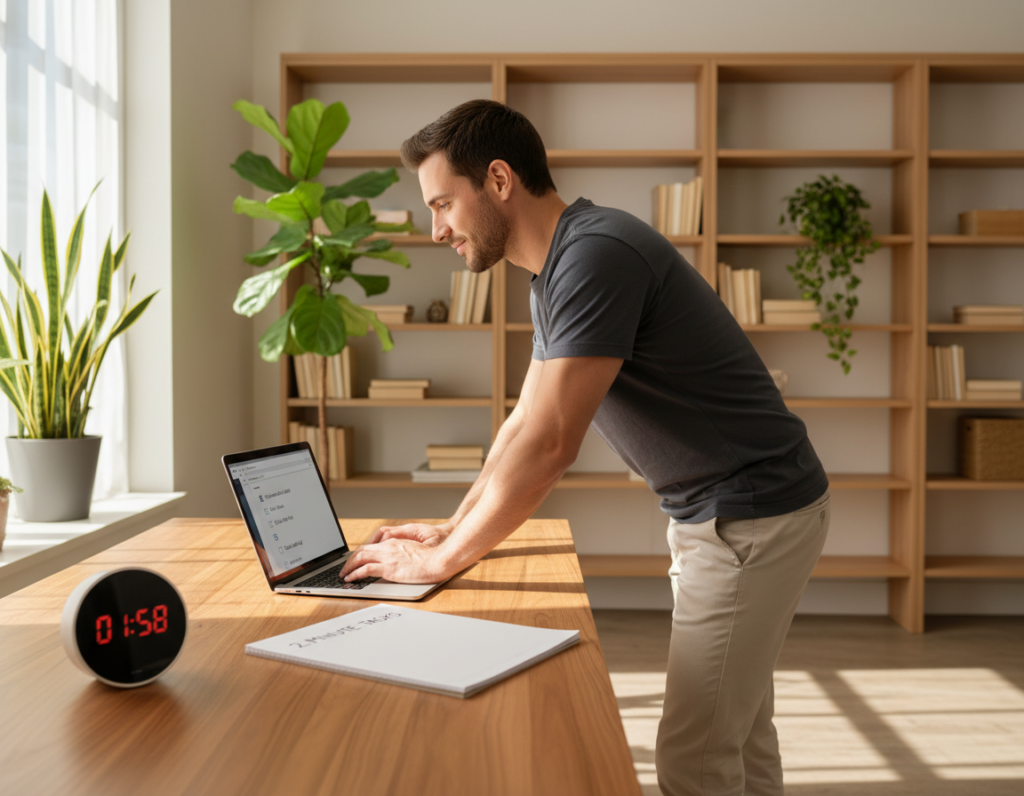
People benefit when they break big tasks into short blocks. Brief reviews of priorities make progress visible and boost productivity. Remote work rewards simple rules: start with a plan, pause for quick breaks, then return with purpose.
- Clear signals: calendar blocks and a visible timer.
- Minimal distractions: silence nonessential alerts.
- Repeatable way: routines that cue focus each morning.
Adopting these methods helps stay focused working and keeps work done steady across a lot of days.
Implementing a Consistent Daily Schedule
A predictable daily schedule gives structure and helps people manage professional hours while based at home. Small, repeatable steps set clear expectations for the mind and reduce interruptions across the workday.
Defining Start and End Times
Workers often adopt a familiar 9 to 5 example as a reliable framework. Others choose 7am–3pm or 10am–6pm to match peak energy and personal commitments.
Defining start and end times helps separate the workday from personal life. It gives a firm boundary so evening hours remain for rest and family.
- Implementing a consistent daily schedule helps make sure there are dedicated hours for priority tasks.
- Plan morning routines that act as a clear signal for work mode and reduce task switching.
- Schedule regular breaks so energy stays steady and productivity lasts across the day.
- Set specific times for tasks to prevent the workday from bleeding into personal time.
“A predictable schedule is one of the simplest tools for protecting mental energy and improving results.”
Managing Digital Distractions and Notifications
Notifications and endless tabs often steal large chunks of the workday without warning. That loss of time harms productivity and makes tasks feel harder than they are.
“Silence is a professional tool.”
Start by creating simple rules for the phone and computer. Put phone alerts on silent during core work hours and schedule specific times for messages. This small change reduces interruptions and protects long stretches of deep work.
Limit social media by using website blockers or fixed check-in times. When colleagues, family, or apps demand attention, a clear plan for notifications keeps the workday steady.
- Set silent hours: mute nonessential apps during priority times.
- Check messages: visit inboxes at planned times, not constantly.
- Treat the phone like office gear: discipline with alerts creates a professional atmosphere.
“Reducing digital distractions lets people finish tasks faster and reclaim personal hours.”
The Importance of Getting Dressed for Work
Putting on work-ready attire signals a mental switch that supports sustained productivity. This small action moves someone from a relaxed morning into a professional mode for the day.
Changing out of bed clothes creates a clear start point for the work day. Even if one remains at home, that change tells the brain it’s time to perform.
They should make sure outfits feel presentable for any impromptu video calls. Dressing this way reduces last-minute stress and preserves a professional image.
- Psychological cue: a dressing routine marks the shift into work.
- Practical benefit: readiness for meetings avoids interruptions.
- Boundary: separates personal hours from work time.
“A simple routine like dressing can sustain long-term focus and normalcy.”
Utilizing Time Management Techniques
Short, repeatable cycles of work and rest make it easier to complete complex tasks without burning out. A few clear rules help protect energy across the workday and improve overall productivity.
Applying the Pomodoro Method
The Pomodoro method uses 25-minute focus sessions followed by a 5-minute break. This rhythm sharpens attention and reduces decision fatigue during long hours at home.
Benefits: it preserves the ability to handle deep tasks and keeps momentum through the day.
Setting Tangible Daily Goals
Begin the morning with a short routine, about 30 minutes, to move out of bed and into work mode. Then list two or three tangible goals for the day.
- Use a schedule to block time for each task.
- Set one concrete example goal — for instance, finish a report by noon.
- Plan breaks so the body and mind can reset.
“Clear sessions and measurable goals make sure work gets done without overflow.”
For more structured advice, consult realistic time management tips from an expert source: realistic time management tips.
Setting Boundaries With Family and Roommates
Clear rules and a polite routine help keep the workspace free from casual interruptions. Few short signals—like a closed door or a visible sign—tell others when someone is deep into tasks.
They should announce work hours for the day so family members know when meetings are planned and when coffee or social media chats should wait. A dedicated office or a small room in the house makes those hours easier to respect.
If the phone is a frequent distraction, place it in another room during core hours. Taking scheduled breaks away from the desk reduces burnout and makes rest clearer for everyone under one roof.
- Agree on visible signals for interruptions and urgent needs.
- Set specific hours when others may knock or chat.
- Keep breaks communal when appropriate, and private when work demands focus.
“Clear communication with people in the house protects productivity and helps meet daily goals.”
Leveraging Technology for Better Collaboration
Centralized digital hubs make collaboration clearer and reduce time wasted hunting files. Teams that use intranet platforms, like Happeo, share updates in real time and avoid repeated questions.
Digital tools improve productivity by keeping messages, documents, and calendars in one place. That structure helps a remote team spend work hours on high‑value efforts rather than coordination.
Practical benefits:
- Manage tasks in a shared system so ownership is visible and deadlines are met.
- Keep a clean digital workspace for quick file access and fewer interruptions.
- Use instant messaging and video conferencing for fast decisions and professional meetings.
“Modern collaboration platforms turn scattered efforts into coordinated progress.”
When teams adopt these tools, they bridge gaps across locations. The result is less wasted time and clearer progress on work goals each day.
Incorporating Strategic Breaks Throughout the Day
Regular pauses during long hours of work at home prevent burnout and improve the quality of work done each day.
Short breaks clear the mind and reduce mental fatigue. They let someone return to tasks with renewed focus and fewer errors.
A simple rule: schedule a 5–10 minute pause after each focused session, and a longer 20–30 minute break mid‑day. This consistent schedule helps manage energy and keeps productivity steady.
- Put phone notifications on silent during breaks so social apps do not create new distractions.
- Step away from the desk: stretch, walk, or get fresh air to reset the brain.
- Use brief, intentional breaks to review priorities and plan the next block of work.
“People who take regular breaks are more likely to get their work done without experiencing burnout.”
Final tip: treat breaks as part of the workday schedule. When breaks are planned and respected, staying focused, finishing work done tasks, and maintaining long-term productivity become far easier.
Exploring Alternative Work Environments
When distractions pile up at home, an alternate workspace can make a meaningful difference. A short change of scene often resets energy and helps people handle a long day of tasks with clearer intent.
Benefits include: better productivity, fewer domestic interruptions, and new cues that mark work time. For many, a coffee shop or library provides the quiet space needed for complex projects.
For example, a co‑working space offers company when remote work feels isolating. A public office environment helps when there is a lot on the schedule and fewer chances for random distractions like social media or an intrusive phone.
- Try a nearby coffee shop for short, focused sessions.
- Use a library or shared workspace for deep work blocks and scheduled breaks.
- Rotate spaces across the week to break monotony and spark fresh ideas.
“A new workspace can be the simple, practical reset that improves concentration and output.”
Conclusion
A short, steady plan can convert scattered hours into reliable progress each day.
Maintaining focus is a skill that grows with practice and clear routines. By applying simple habits and scheduling small breaks, people protect energy and complete priority tasks.
These tips help readers create sustainable ways to manage time and environment. They support steady productivity and professional growth without extreme measures.
Remember: staying focused working is a journey. It is normal to adjust methods while finding what fits best. Use these tips and ways to reclaim efficiency and work toward core goals.